Exploring the science, controversies, and future of electromagnetic field (EMF) exposure.
✅ TL;DR (3-Line Summary)
- Electromagnetic fields (EMFs) from Wi-Fi, cell towers, and devices are everywhere—and so is the debate about their safety.
- Emerging science points to possible links between EMFs and sleep disruption, fertility issues, and neurological effects.
- While not all EMFs are dangerous, chronic exposure to high-frequency radiation may pose long-term health risks that deserve precaution.
👩⚕️ Expert Dialogue: Dr. Monica (Environmental Medicine) & Dr. Ryan (Biophysicist)
Dr. Monica: Ryan, EMF exposure has become one of the most hotly debated public health topics of our time. Yet most people still don’t really understand what EMFs are—or how they might affect us.
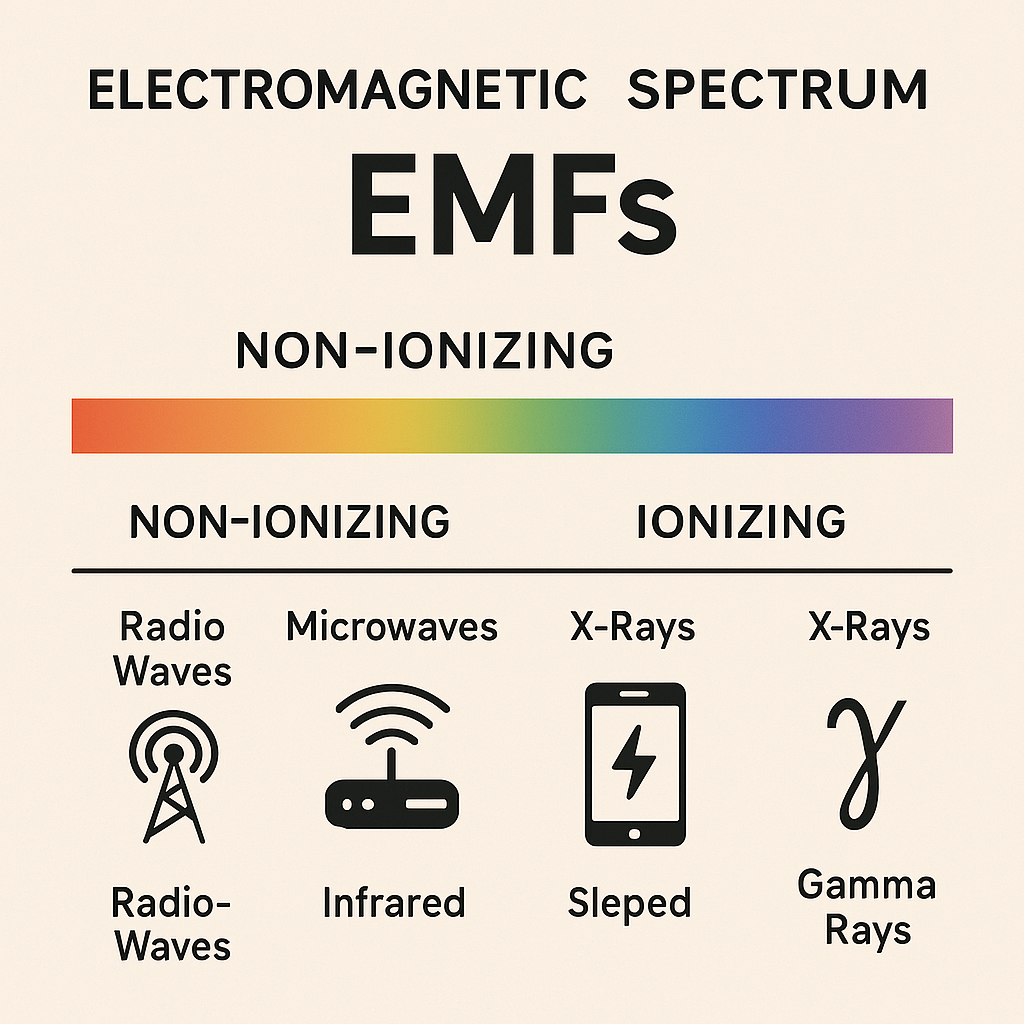
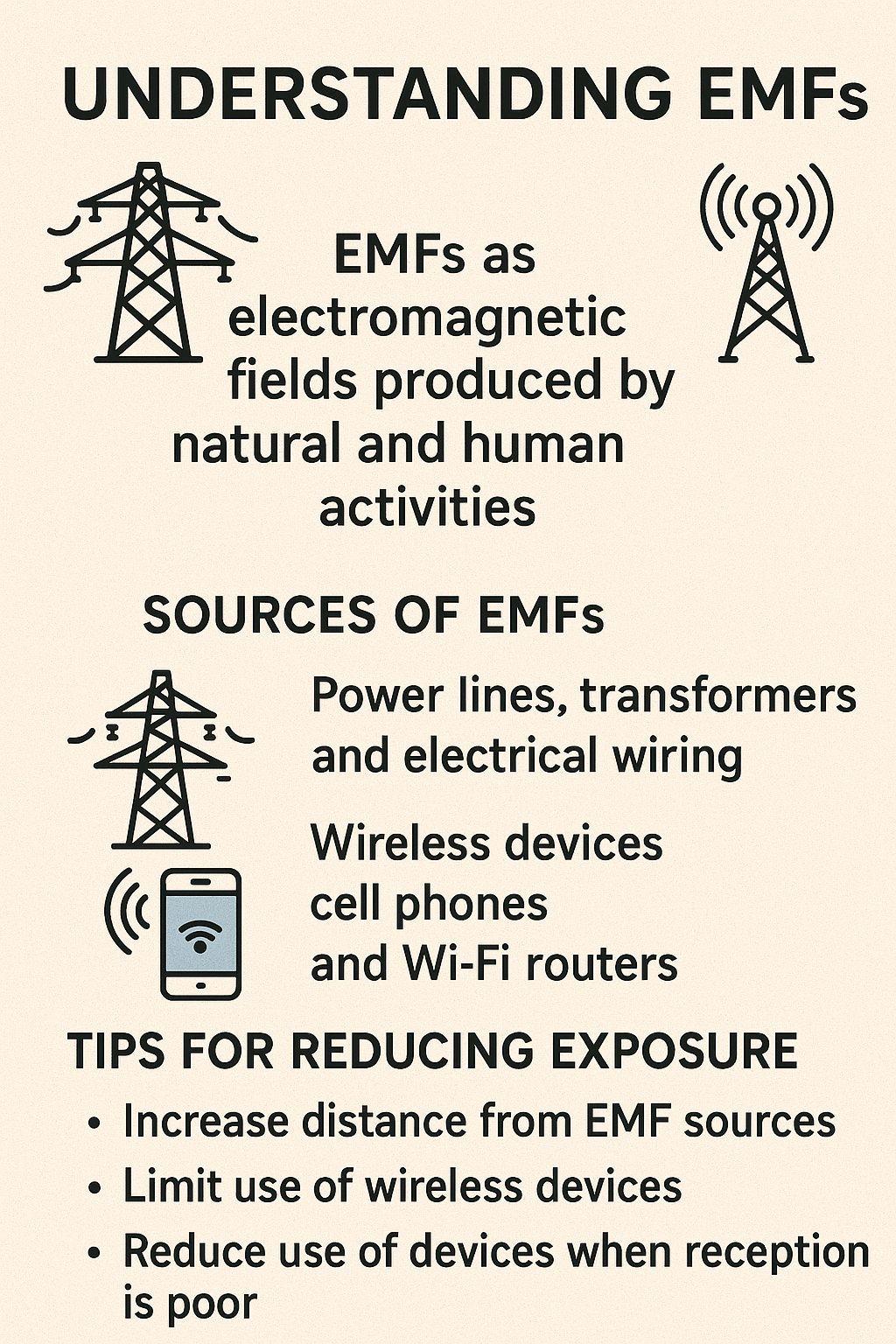
Dr. Ryan: You're absolutely right, Monica. EMFs—or electromagnetic fields—are essentially invisible areas of energy, often associated with electric power (like power lines) and wireless technology (like cell phones and Wi-Fi). They're categorized into ionizing and non-ionizing radiation.
Dr. Monica: Ionizing radiation, like X-rays or gamma rays, has been known for decades to damage DNA. But the real debate is around non-ionizing radiation—the kind emitted by our phones, laptops, routers, and smart meters.
Dr. Ryan: Exactly. The World Health Organization classifies radiofrequency (RF) EMFs as “possibly carcinogenic to humans” (Group 2B), based on some epidemiological evidence linking long-term cellphone use with glioma, a type of brain cancer.
Dr. Monica: There’s also concern around fertility. Studies have shown that prolonged EMF exposure can reduce sperm motility and alter ovarian function.
Dr. Ryan: True. One study found that male participants who carried cell phones in their front pockets had significantly lower sperm quality than those who didn’t. There’s growing concern about reproductive-age exposure.
Dr. Monica: What about sleep? A lot of patients tell me they sleep better when their Wi-Fi router is turned off.
Dr. Ryan: That’s not surprising. EMFs may interfere with melatonin production, which is regulated by the pineal gland. Melatonin isn’t just a sleep hormone—it also has antioxidant and anti-cancer functions.

Dr. Monica: Some researchers suggest that EMFs contribute to electromagnetic hypersensitivity (EHS). People with EHS report headaches, fatigue, dizziness, and concentration problems when exposed to Wi-Fi or 5G signals.
Dr. Ryan: EHS is controversial but worth investigating. Some double-blind studies show no correlation, while others suggest physiological changes, like heart rate variability shifts, even when subjects were unaware of the EMF source.
Dr. Monica: I think that’s part of the broader issue—individual sensitivity. Some people are more biologically reactive, just as we see with mold or chemical exposure.
Dr. Ryan: Absolutely. We also can't ignore oxidative stress. EMFs may increase reactive oxygen species (ROS) in the body, potentially damaging cellular components over time.
Dr. Monica: What do you think of the “safe levels” set by governments and telecom industries?
Dr. Ryan: Most of those safety standards are thermal-based—meaning, they focus on how much radiation it takes to heat up tissue. But non-thermal effects, like DNA strand breaks or oxidative stress, are largely ignored.
Dr. Monica: Right. And real-life exposure isn’t just one device—it’s cumulative and continuous: phones, smart TVs, wearables, Bluetooth earbuds, smart meters.
Dr. Ryan: I always recommend taking a precautionary approach. Use airplane mode when you can, keep devices off the body, and limit exposure especially during critical biological windows like childhood and pregnancy.

Dr. Monica: What about 5G? It’s a lightning rod for concern—some say it’s harmless, others say it’s the end of civilization.
Dr. Ryan: 5G operates at higher frequencies and uses millimeter waves, which are more readily absorbed by the skin. We still need long-term, independent studies on its biological effects. The science isn't settled yet.
Dr. Monica: I believe the future is in adaptive EMF tech—like shielding fabrics, low-EMF routers, and architecture designed to reduce RF hotspots.
Dr. Ryan: And we must continue funding neutral, peer-reviewed research, not just industry-sponsored data.
📡 EMF Sensitivity Self-Check: Are You at Risk?
📌 Science-Backed Takeaways
- EMFs are all around us—especially in wireless tech
- Long-term exposure may affect sleep, fertility, and neurological health
- Non-thermal biological effects are under-researched
- Precautionary measures can reduce risk
- 5G requires more independent studies to confirm long-term safety

🙋♀️ In-Depth FAQ – EMFs and Health
Q1. What exactly are EMFs?
EMFs, or electromagnetic fields, are invisible energy waves produced by electric and magnetic sources. They range from low-frequency fields (like power lines) to high-frequency fields (like X-rays). Most modern devices emit non-ionizing EMFs, which do not directly break DNA but may cause biological stress over time.
Q2. Is EMF exposure really dangerous?
The science is still evolving. While high levels of ionizing radiation are clearly harmful, some evidence suggests chronic low-level EMF exposure may disrupt sleep, affect fertility, and increase oxidative stress. Organizations like the WHO and IARC classify certain EMFs as “possibly carcinogenic.”
Q3. What’s the link between EMFs and cancer?
Some epidemiological studies found a correlation between long-term cellphone use and glioma, a type of brain tumor. However, findings are inconsistent and confounded by variables like device usage patterns and recall bias. More long-term research is needed.
Q4. What are “non-thermal effects” of EMFs?
Unlike heating effects (thermal), non-thermal effects include DNA breaks, membrane permeability changes, and oxidative stress. These changes are more subtle but potentially damaging over time—especially in developing brains and chronic exposure scenarios.
Q5. How do EMFs impact sleep?
EMFs may suppress melatonin, disrupt circadian rhythm, and stimulate low-level neurological arousal, making it harder to fall and stay asleep. Several studies have found improved sleep quality when EMF sources are removed from bedrooms.
Q6. Who is most vulnerable to EMFs?
- Children (thinner skulls, developing nervous systems)
- Pregnant women (fetal tissue is rapidly dividing)
- People with chronic illnesses
- Electrosensitive individuals
Vulnerability is influenced by biology, duration of exposure, and total EMF load.
Q7. What are practical steps to reduce EMF exposure?
- Use airplane mode or turn devices off at night
- Avoid carrying your phone in your pocket or bra
- Keep routers away from sleeping areas
- Use speakerphone or wired headsets
- Limit Bluetooth and smart device usage
- Don’t sleep next to your phone—even on airplane mode
Q8. Is there a test to check EMF sensitivity?
Currently, there's no standard medical test. Some functional medicine providers use heart rate variability (HRV) or EEG monitoring during EMF exposure tests. But most evidence is anecdotal and varies by individual.
🧠 Final Thoughts: Take the Signal Seriously
Whether you believe EMFs are harmless or harmful, one thing is certain—we're surrounded by them more than ever before. With emerging science raising valid concerns, it’s wise to embrace a precautionary mindset.
As with nutrition, stress, or sleep, EMF exposure is a modifiable lifestyle factor. Don’t fear the tech—but learn how to live wisely with it.
💬 Join the Conversation!
Have you experienced brain fog, sleep issues, or fatigue near EMF sources?
Do you practice any form of digital hygiene?
👉 Share your thoughts in the comments! Let’s open the dialogue on tech and health together.


