TL;DR
- Over-the-counter (OTC) products like antihistamines, CBD, and adaptogens are increasingly used for mood support.
- These substances can alter brain chemistry, especially serotonin and GABA, sometimes leading to unintended effects.
- This article explores their risks, effectiveness, and when it's time to seek professional help.
👩🎓 Expert Dialogue: The Mental Health Shortcut Debate
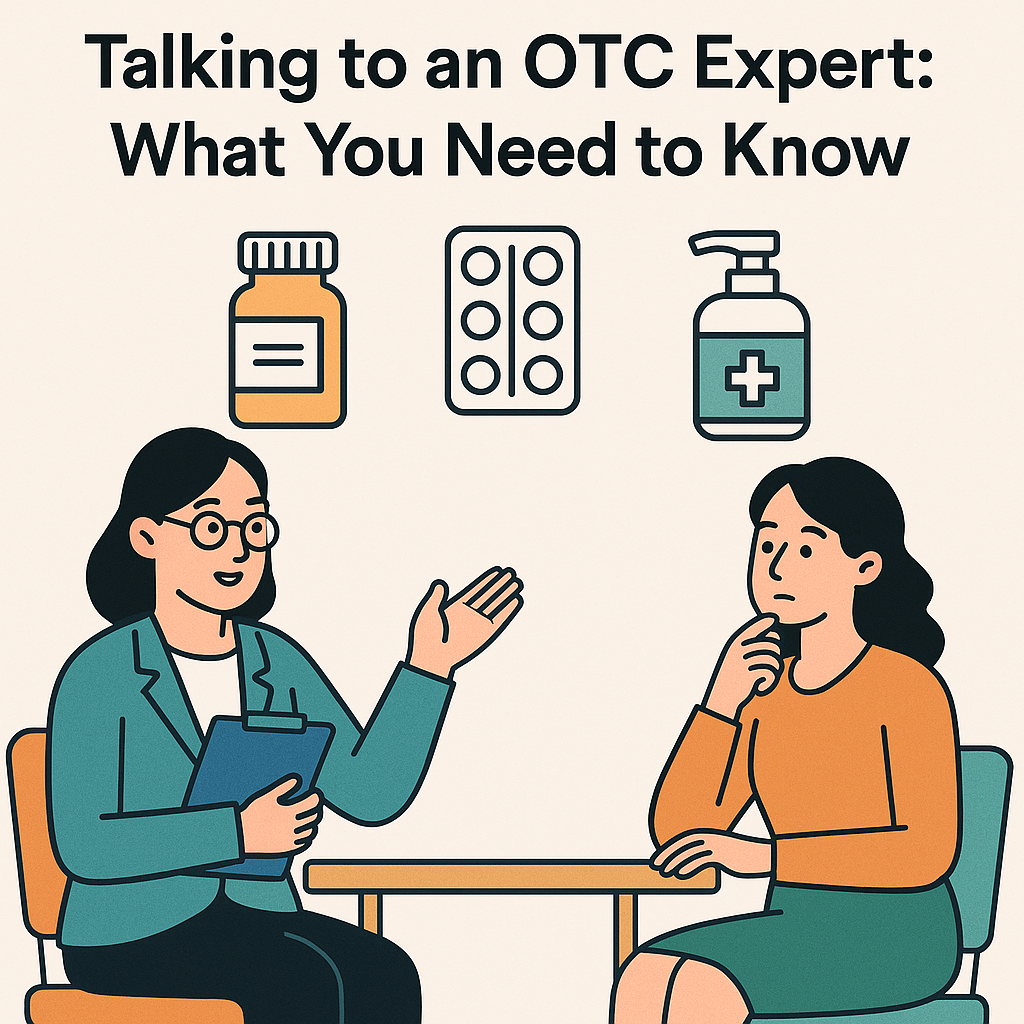
Dr. Rachel Kim (Clinical Psychologist): "We're seeing a worrying trend: people self-medicating anxiety with OTC products. Diphenhydramine, for example, is marketed as a sleep aid, but people are using it regularly for anxiety."
Dr. Martin Shaw (Psychiatrist): "Exactly. It's the illusion of safety. OTC doesn't mean harmless. Antihistamines that block H1 receptors also have anticholinergic effects that impair cognition over time."
Dr. Kim: "I've had patients report increased forgetfulness or brain fog, not realizing it was from overuse of these OTC meds."
Dr. Shaw: "Then there's serotonin disruption. Some products affect tryptophan pathways. Long-term interference with serotonin can worsen depression or trigger mood swings."
Dr. Kim: "And we can’t forget the rising popularity of CBD. While there's potential, we still lack standardization. Purity and dosage vary so much that one person's calming effect could be another's anxiety trigger."
Dr. Shaw: "Absolutely. Just like adaptogens. Ashwagandha or rhodiola have promise, but they're not one-size-fits-all. If someone has thyroid issues or bipolar tendencies, these can backfire."

Alt text: A flat-style digital illustration depicts a consultation scene between a woman and a male doctor discussing the effects of OTC medications for anxiety and mood. They sit at a desk with medication icons above them, conveying a clinical yet accessible atmosphere.
🧹 Mood-Altering OTC Substances: What You Need to Know
1. Antihistamines with Sedative Properties
- Examples: Diphenhydramine (Benadryl), Hydroxyzine (Rx-only in some regions)
- Mechanism: H1 receptor antagonist; indirect CNS sedation
- Risk: Impaired cognition, tolerance, rebound anxiety, dry mouth, urinary retention
2. Cannabidiol (CBD)
- Form: Oils, gummies, capsules (varies by jurisdiction)
- Claimed Benefits: Anti-anxiety, neuroprotective, sleep aid
- Risks: Drug interactions (especially liver-metabolized drugs), drowsiness, paradoxical stimulation
- Research Note: Efficacy depends on dosage; most OTC CBD lacks clinical-grade consistency
3. Adaptogens and Herbal Remedies
- Common: Ashwagandha, Rhodiola, L-Theanine, Valerian root
- Claims: Stress resilience, mood stabilization, energy boost
- Risks: Interactions with thyroid meds, SSRI potentiation, GI discomfort, blood pressure variation
Alt text: A flat-style digital illustration features two seated individuals with anxious expressions surrounded by icons representing OTC medications, mood swings, and brain health. The image conveys concern and highlights the link between over-the-counter drug use and emotional well-being.
📊 Brain Chemistry and OTC Interference
OTC substances often act on major neurotransmitter systems:
NeurotransmitterAffected By OTCsImpact
| Serotonin | 5-HTP, CBD, some antihistamines | Mood, anxiety, sleep cycles |
| GABA | Valerian, L-Theanine, alcohol | Sedation, relaxation, cognitive slowing |
| Cortisol | Adaptogens (Ashwagandha, etc.) | Stress resilience, fatigue management |
These impacts are not always predictable. For example, a supplement might reduce anxiety short-term but worsen depressive symptoms by blunting motivation.
📲 Quick Poll
Do you use any OTC products to manage anxiety or stress?
💬 Vote in the comments or through this poll!
📖 Real Story: Jason, 29
"I started taking Benadryl every night because I couldn’t fall asleep from anxiety. At first, it helped. But after a month, I was groggy all day, had trouble focusing at work, and my mood was actually worse. Once I stopped, it took me two weeks to feel normal again."
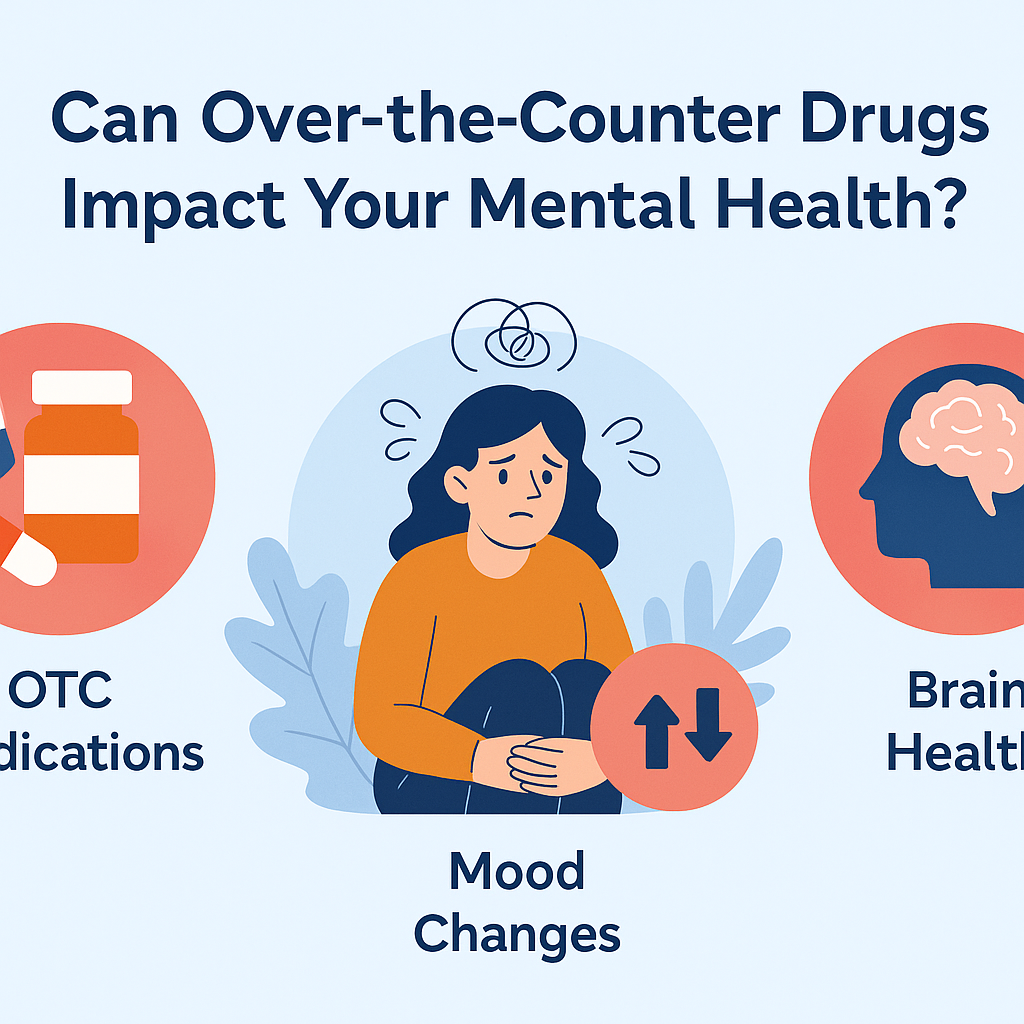
Alt text: An infographic titled "Can Over-the-Counter Drugs Impact Your Mental Health?" visually links OTC medications, mood changes, and brain health using bold icons and a central illustration of a concerned woman, emphasizing the emotional and cognitive effects of non-prescription drug use.
Q1. Can OTC antihistamines cause dependency?
A: They do not cause physiological addiction like opioids, but they can lead to psychological reliance. Regular use leads to tolerance, requiring higher doses and creating rebound insomnia or anxiety when stopped.
Q2. Is CBD really effective for anxiety?
A: Clinical trials show promise, especially for social anxiety and sleep. But OTC versions often have inconsistent dosage and purity, making self-treatment unreliable. Always look for 3rd-party lab-tested brands.
Q3. Are there safer natural alternatives?
A: L-Theanine (found in green tea) has mild calming effects without sedation. Rhodiola may reduce fatigue. Still, even these should be used cautiously alongside medication.
Q4. What symptoms should make me stop using OTC mood products?
A: New or worsening depression, brain fog, difficulty urinating, dizziness, or GI upset are red flags. Stop use and consult a provider.
Q5. Should I see a doctor before using these?
A: Yes, especially if you have other medical conditions, take medications, or have a personal/family history of mood disorders. OTC doesn't equal safe for all.
🧠 OTC Mood Support Self-Check
📢 Sticky CTA
Feeling uncertain about your OTC routine? Don’t go it alone. Take our quiz, share your experience in the comments, and explore professional guidance.


