🔐 TL;DR (3-Line Summary)
- The OTC supplement industry has exploded, with multivitamins, magnesium, and vitamin D leading the pack.
- While often marketed as safe and natural, overuse or misuse of supplements can pose serious health risks.
- This post explains what works, what doesn't, and how to supplement smartly based on age, gender, and health status.
🧑🌾 Expert Dialogue: Nutritionist vs. Functional Medicine Doctor
Anna Kim, Registered Dietitian (RD):
"People assume supplements are risk-free, but that's not true. Some can interact with medications or even cause toxicity."
Dr. Ethan Walsh, Functional Medicine MD:
"Right. I often see patients on a dozen OTC vitamins they don’t need. Supplementation must be targeted, not random."
Anna:
"Multivitamins can be helpful if your diet is lacking, but most people don’t need megadoses. More isn’t better."
Dr. Walsh:
"Absolutely. And then there's magnesium, which is trending right now. It helps with sleep and mood, but high doses can lead to diarrhea or low blood pressure."
Anna:
"Vitamin D is another big one, especially post-pandemic. But if you're already getting sunlight and fortified foods, you might not need a supplement."
Dr. Walsh:
"My advice: test your levels before supplementing. We need data, not guesses."
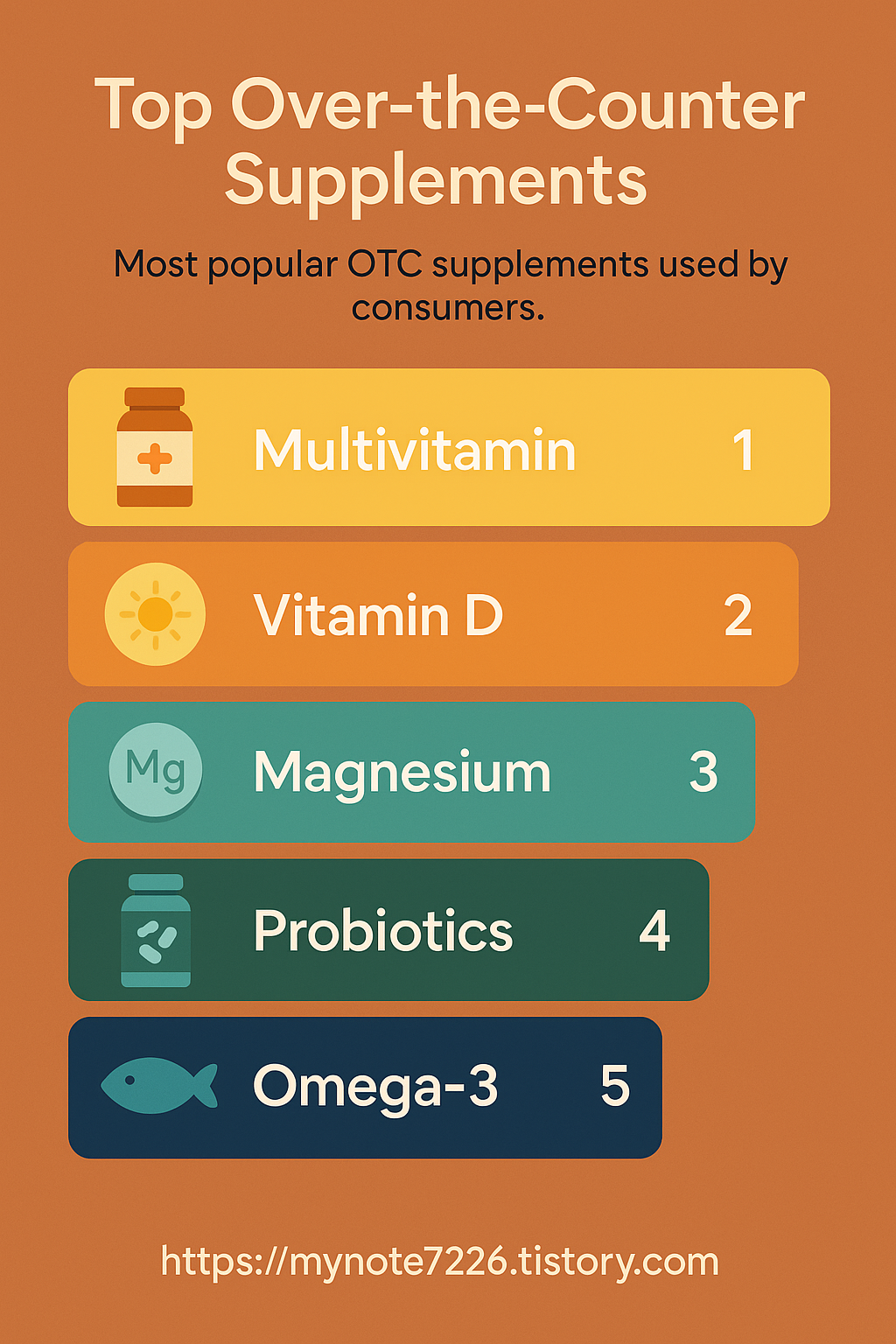
Alt Text: "Infographic showing the top over-the-counter supplements used by consumers, including multivitamins, vitamin D, magnesium, probiotics, and omega-3, ranked by popularity."
📊 Top 5 OTC Supplements and What Science Says
1. Multivitamins
- Use: Nutritional insurance
- Evidence: Some benefit for micronutrient gaps, especially in older adults or restrictive diets
- Caution: May mask poor diet, unnecessary for most healthy eaters
2. Magnesium (Citrate or Glycinate)
- Use: Sleep, anxiety, muscle recovery
- Evidence: Backed by clinical trials for stress and mild insomnia
- Caution: Can cause loose stools or drop blood pressure
3. Vitamin D3
- Use: Immunity, bone health, mood
- Evidence: Strong benefit in deficient individuals; less clear for general population
- Caution: Toxic at doses >4000 IU/day; must monitor levels
4. Probiotics
- Use: Gut health, mood, immunity
- Evidence: Strain-specific efficacy; best after antibiotics or for IBS
- Caution: Not all strains help; quality varies widely
5. Omega-3 (Fish Oil)
- Use: Brain health, inflammation, heart health
- Evidence: Benefits cognitive aging and triglycerides
- Caution: Can interact with blood thinners; purity matters

Alt Text: "Comparison chart of supplement needs for men and women, highlighting iron and folic acid for women, prostate and heart health supplements for men, and shared needs like magnesium and vitamin D."
❓ FAQ: Supplement Safety and Strategy
Q1: Is it safe to take supplements daily?
A: Yes, but only if needed. Many vitamins build up in the body and can become toxic (e.g., vitamin A, iron). Consult your doctor and test levels annually.
Q2: Should kids and teens use supplements?
A: Only under guidance. Multivitamins may be okay for picky eaters, but overdosing is dangerous, especially with gummy forms. Pediatricians should guide dosage.
Q3: Can supplements replace a healthy diet?
A: No. They are meant to supplement, not substitute. Real food contains phytonutrients and fiber that no pill can match.
Q4: What signs show you’re overdoing supplements?
A: Nausea, fatigue, dizziness, diarrhea, or tingling. Blood tests may reveal elevated calcium or liver enzymes. Discontinue and seek evaluation.
Q5: What’s the best way to choose a high-quality supplement?
A: Look for third-party testing (NSF, USP, ConsumerLab). Avoid supplements with unnecessary fillers, artificial dyes, or megadoses beyond 100% daily value.
👤 Reader Story
"I used to take five supplements every morning: vitamin C, zinc, magnesium, D, and a multivitamin. I thought more meant healthier. But I ended up with gut issues and dizziness. My doctor ran tests and told me I had too much zinc in my system. Now I just take magnesium at night and focus on eating better." — Laura P., Oregon
💊 Supplement Safety Self-Check
🛎️ Sticky CTA
Don’t let marketing guide your health decisions. Take charge. Get tested. And only supplement what your body truly needs.


