
💬 [Scene: Dr. Andrews’ Office – A Private Mental Health Consultation]
Dr. Andrews: Good afternoon, Maya. It’s nice to see you again. How have you been feeling lately?
Maya: Honestly, not great. I feel exhausted all the time, even though I sleep enough. I'm constantly anxious and I don’t really enjoy anything anymore.
Dr. Andrews: Thank you for being open about that. What you’re describing are common signs of mental health imbalance, particularly anxiety and depressive symptoms. You're not alone—millions of people experience this.
Maya: But it’s not like I’ve gone through a trauma recently. I feel like I have no reason to feel this way.
Dr. Andrews: Mental health doesn’t always require a dramatic trigger. It’s influenced by a complex mix of biological, psychological, and social factors. Even prolonged stress, nutritional deficiencies, lack of purpose, or disrupted sleep can affect your emotional state.

🔍 Why Mental Health Is Just as Important as Physical Health
Dr. Andrews: Let’s talk about why mental health is essential. Just like heart disease or diabetes, mental disorders are medical conditions—they affect how we think, feel, and behave. And more importantly, mental health directly influences physical health.
Maya: Really? How so?
Dr. Andrews: Chronic stress and anxiety, for example, can elevate cortisol levels, suppress your immune system, increase your risk of heart disease, and even disrupt your gut health. In fact, studies have shown strong links between mental illness and chronic inflammation.
Maya: Wow, I had no idea it was that interconnected.
Dr. Andrews: It truly is. That's why the World Health Organization defines health as not just the absence of disease, but a state of complete physical, mental, and social well-being.
🧠 Mental Health Self-Check
Answer honestly to evaluate your current mental well-being.
🧩 The Neuroscience of Mental Health
Maya: So, is there a biological explanation for what I’m going through?
Dr. Andrews: Absolutely. Mental health conditions are often related to neurotransmitter imbalances, such as serotonin, dopamine, and norepinephrine. These chemicals regulate mood, motivation, and emotional response.
Maya: So my brain chemistry could literally be off?
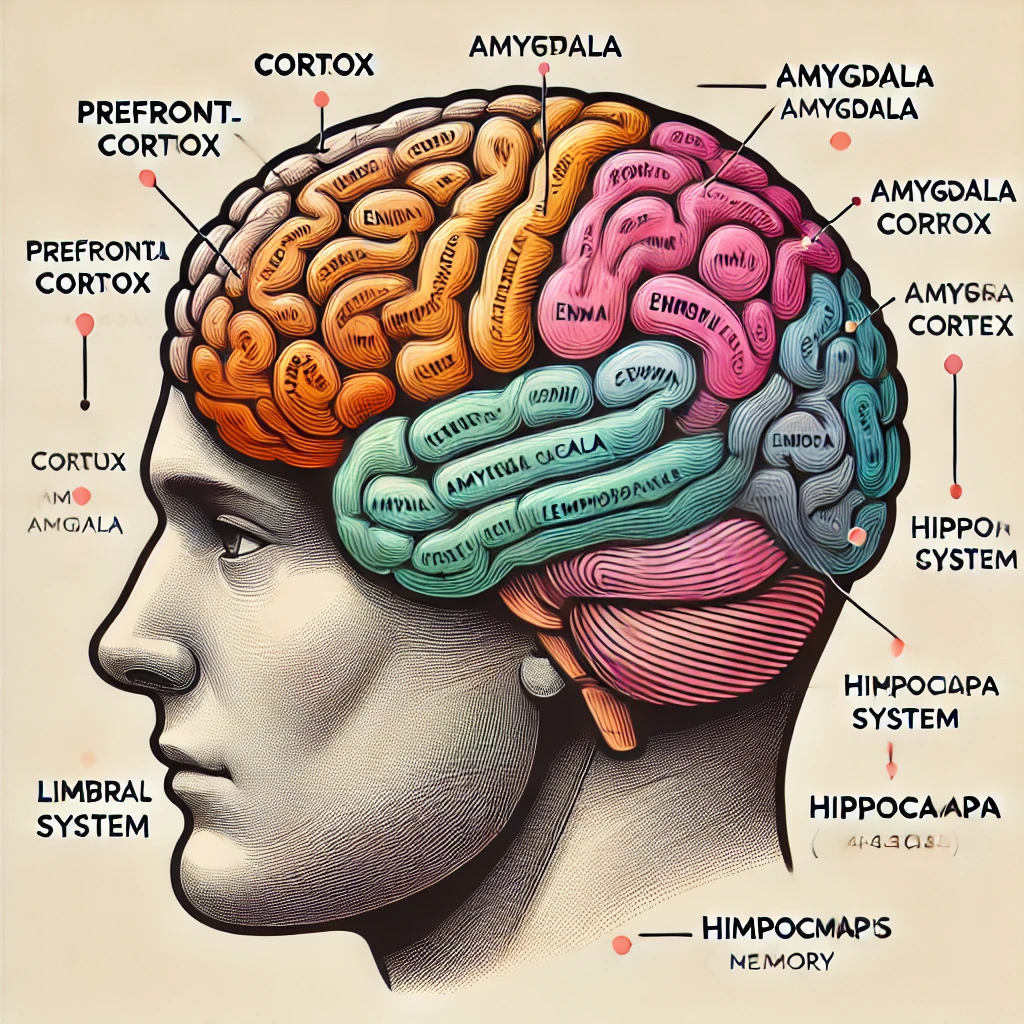
Dr. Andrews: Yes, and brain imaging studies have also shown structural and functional changes in patients with depression or anxiety—like reduced activity in the prefrontal cortex or increased amygdala reactivity. These aren't signs of weakness; they’re markers of real, measurable conditions.

🌿 Managing Mental Health Holistically
Maya: So, is medication the only solution?
Dr. Andrews: Not at all. While medication can be helpful—especially in moderate to severe cases—we often recommend a multidisciplinary approach. That includes:
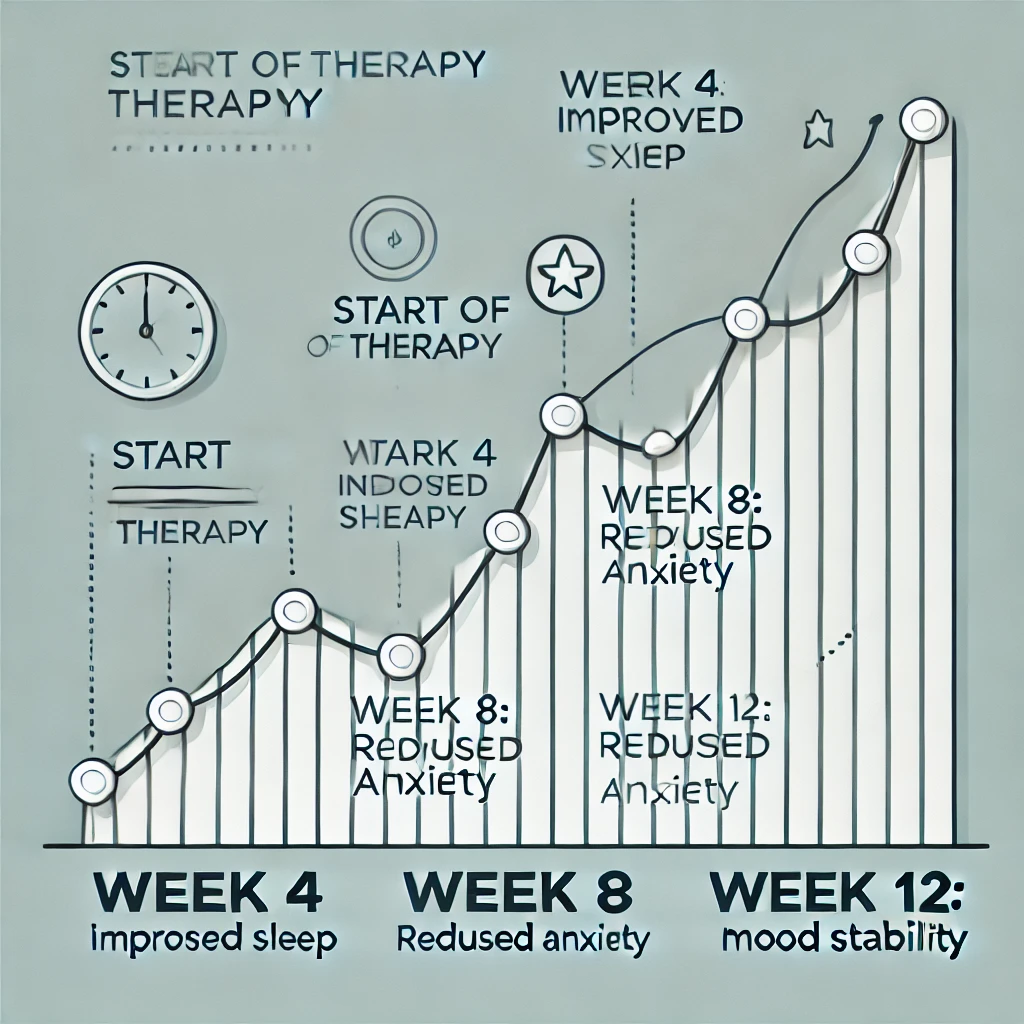
✅ Cognitive Behavioral Therapy (CBT): Restructures negative thinking patterns.
✅ Mindfulness and Meditation: Helps reduce anxiety and improve emotional regulation.
✅ Exercise and Nutrition: Physical activity boosts endorphins and brain-derived neurotrophic factor (BDNF), which support brain function.
✅ Sleep Hygiene: Good sleep stabilizes mood and improves resilience.
✅ Social Support: Relationships play a key role in recovery.
Maya: That sounds more manageable than I expected. I thought I’d have to rely on pills forever.
Dr. Andrews: That’s a common fear, but the goal is to empower you to build a sustainable, healthy lifestyle that nurtures both your mind and body.
📌 Final Thoughts: Reframing Mental Health as Health
Mental health is not a luxury or a secondary concern—it is foundational to living a balanced and fulfilling life. Ignoring it can lead to chronic stress, burnout, and long-term health issues. But with early intervention, self-awareness, and proper care, recovery and thriving are entirely possible.
💬 Have you ever taken a step toward improving your mental health? I’d love to hear your story—share in the comments. 👇😊


