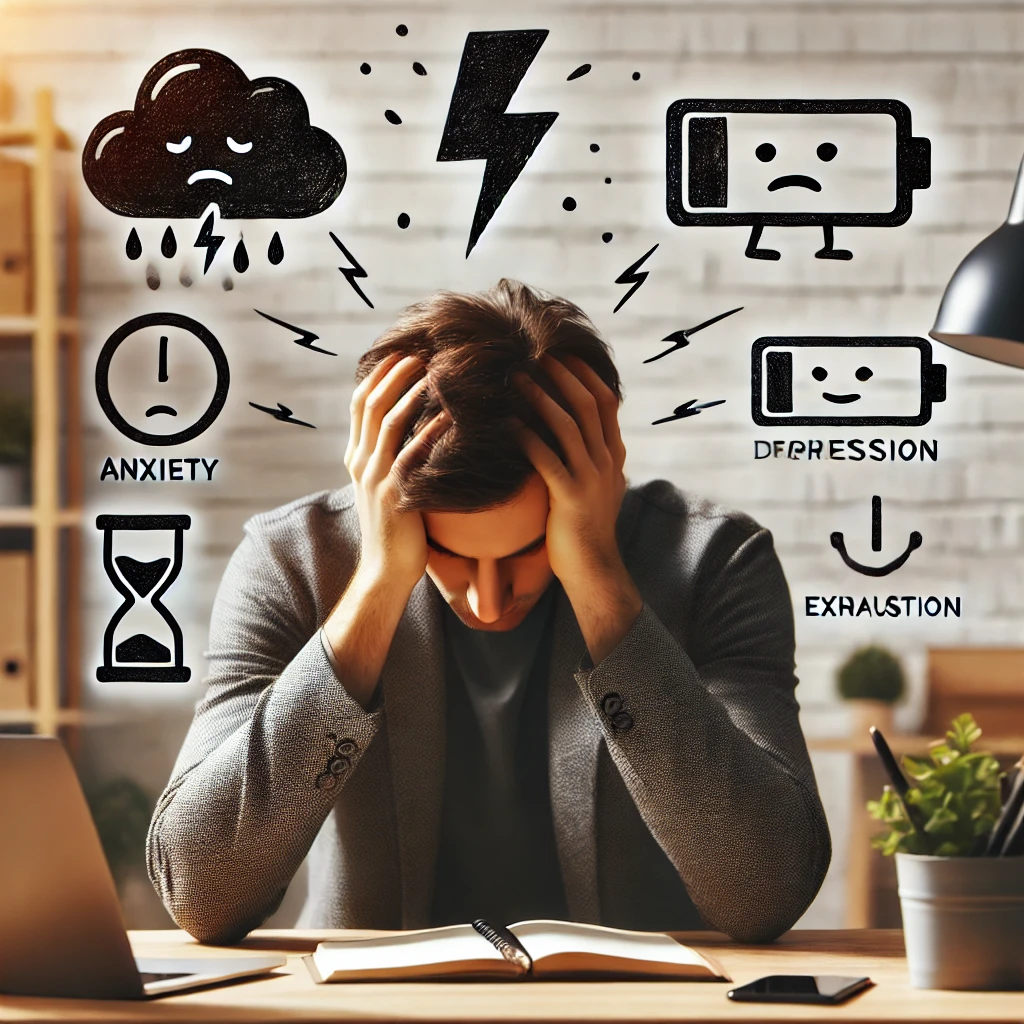
💬 [Scene: Dr. Carter’s Consultation Room – An Open Conversation About Mental Health]
Dr. Carter: Good morning, Alex. What brings you in today?
Alex: Honestly, I’m overwhelmed. I can’t concentrate at work, I feel exhausted all the time, and I’ve started avoiding my friends. I’m not even sure what’s wrong with me.
Dr. Carter: Thank you for sharing that. You're describing several common mental health challenges, particularly symptoms of anxiety, depression, and potentially occupational burnout. These often overlap, which can make them harder to recognize.
Alex: I’ve heard those terms, but I always thought they were extreme conditions. I didn’t realize what I’m feeling might qualify.
Dr. Carter: It’s a common misconception. Let’s break them down together.
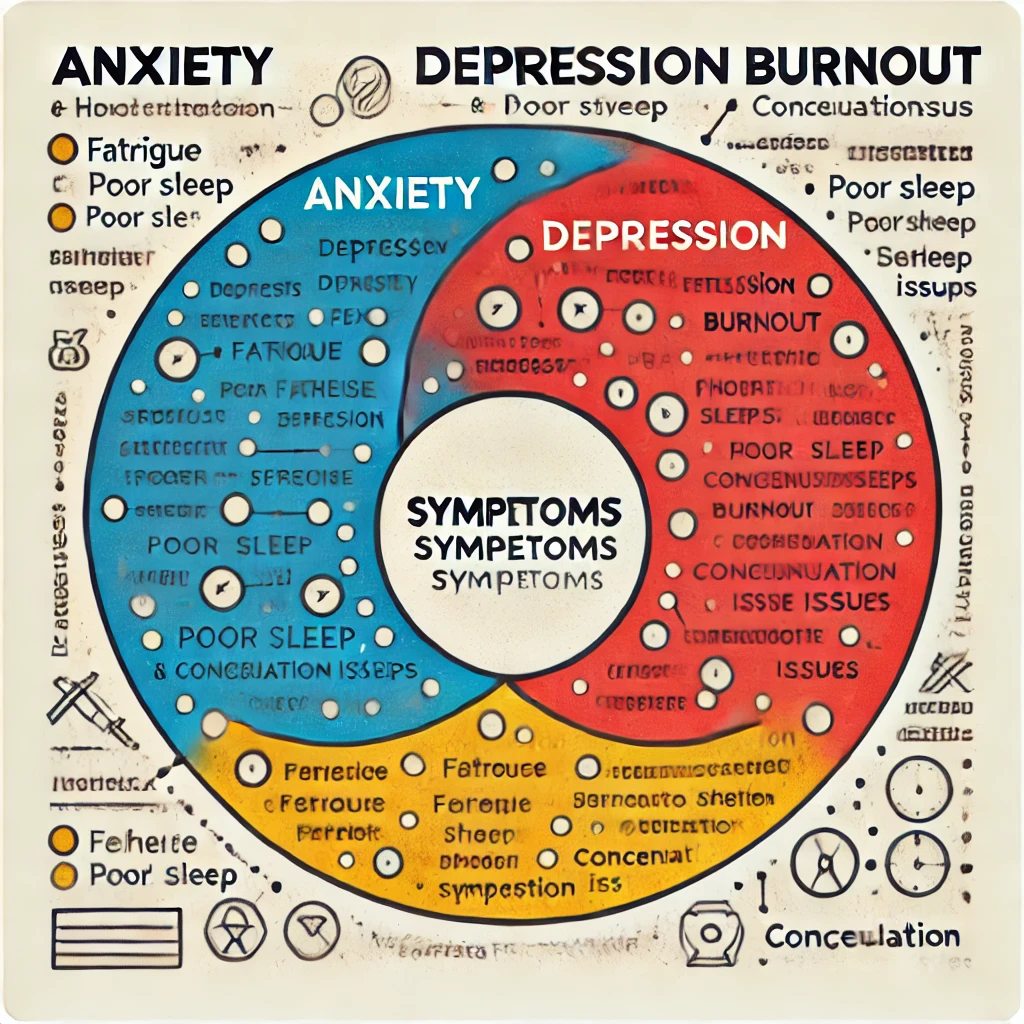
🔍 Anxiety, Depression, and Burnout: How They Manifest
Dr. Carter: Anxiety often presents as restlessness, irritability, racing thoughts, and physical symptoms like rapid heartbeat or trouble sleeping. It’s your body’s fight-or-flight system stuck in overdrive.
Alex: That sounds like me every night. My brain just won’t shut off.
Dr. Carter: Depression, on the other hand, tends to involve persistent sadness, loss of interest in activities, fatigue, feelings of worthlessness, and in some cases, suicidal thoughts. It’s more about emotional numbness than worry.
Alex: I’ve felt emotionally numb lately. Like nothing really matters, even the things I used to love.
Dr. Carter: Then there’s burnout, especially occupational burnout. It’s recognized by the WHO as a syndrome stemming from chronic workplace stress. Signs include emotional exhaustion, cynicism, and reduced professional efficacy. It overlaps with both anxiety and depression.
Alex: So I could be experiencing all three at once?
Dr. Carter: Exactly. These conditions often co-exist and can reinforce each other if left unaddressed.
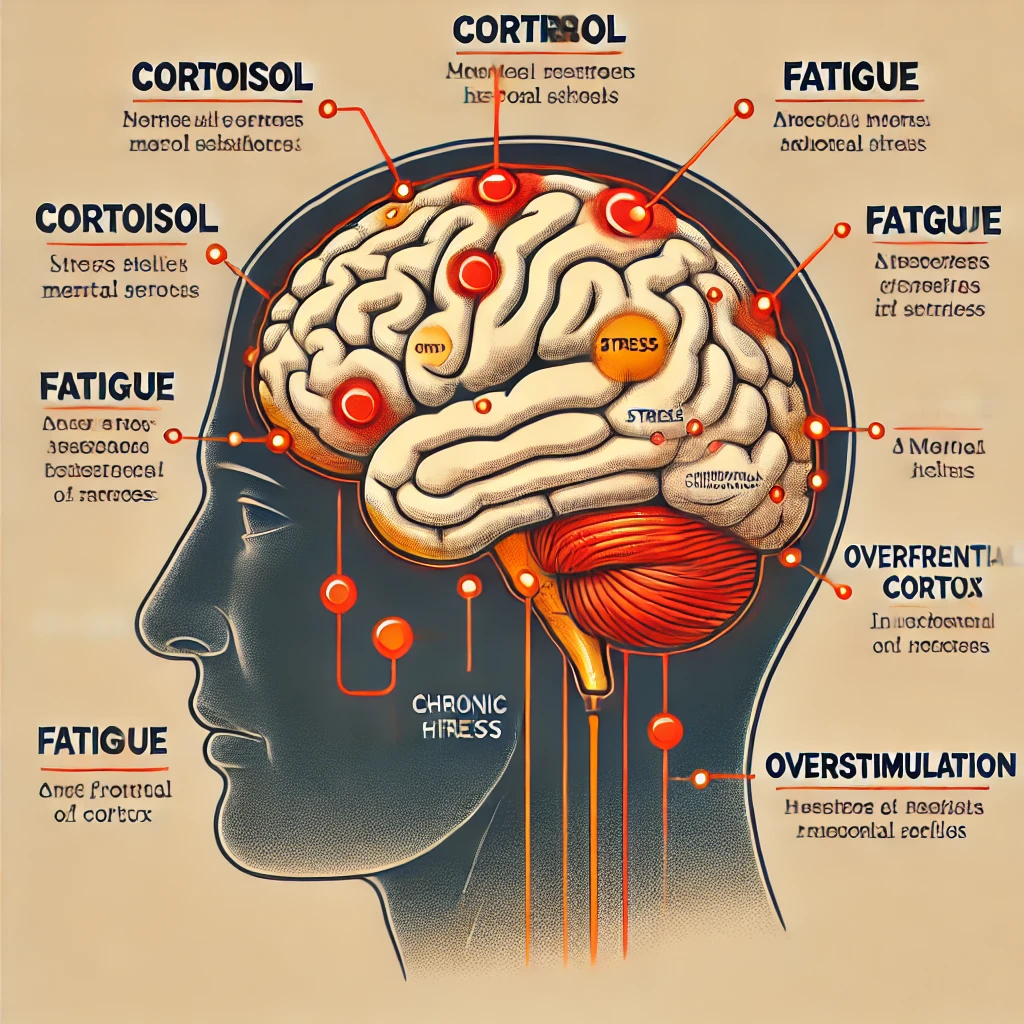
🧬 The Science Behind What You’re Feeling
Dr. Carter: Let’s talk physiology. Chronic stress elevates cortisol, a stress hormone. Long-term elevation of cortisol affects the hippocampus (linked to memory), the amygdala (linked to fear), and reduces the function of the prefrontal cortex (responsible for focus and decision-making).
Alex: That would explain my forgetfulness and inability to focus.
Dr. Carter: It’s not just psychological—it’s biological. Brain scans of patients with long-term anxiety or depression show measurable structural and chemical changes.
Alex: So this is something I can’t just ‘snap out of.’
Dr. Carter: Exactly. These are medical conditions, not personality flaws or weaknesses.

🧠 Mental Health Self-Check: Anxiety, Depression, Burnout
Answer honestly to evaluate your current state of mental well-being.
🛠 Evidence-Based Treatments That Work
Dr. Carter: There are several proven approaches:
✅ Cognitive Behavioral Therapy (CBT): Helps identify and challenge distorted thinking patterns.
✅ Medication: SSRIs and SNRIs can restore chemical balance in the brain.
✅ Mindfulness-Based Stress Reduction (MBSR): Reduces anxiety and improves mood through focused breathing and meditation.
✅ Psychoeducation: Understanding your condition can reduce stigma and increase treatment adherence.
✅ Lifestyle Changes: Regular exercise, proper nutrition, and sleep regulation can significantly improve symptoms.
Alex: Do I need medication?
Dr. Carter: Not always. For mild to moderate symptoms, therapy and lifestyle changes may be enough. For more severe cases, medication can offer significant relief. The key is a personalized treatment plan.
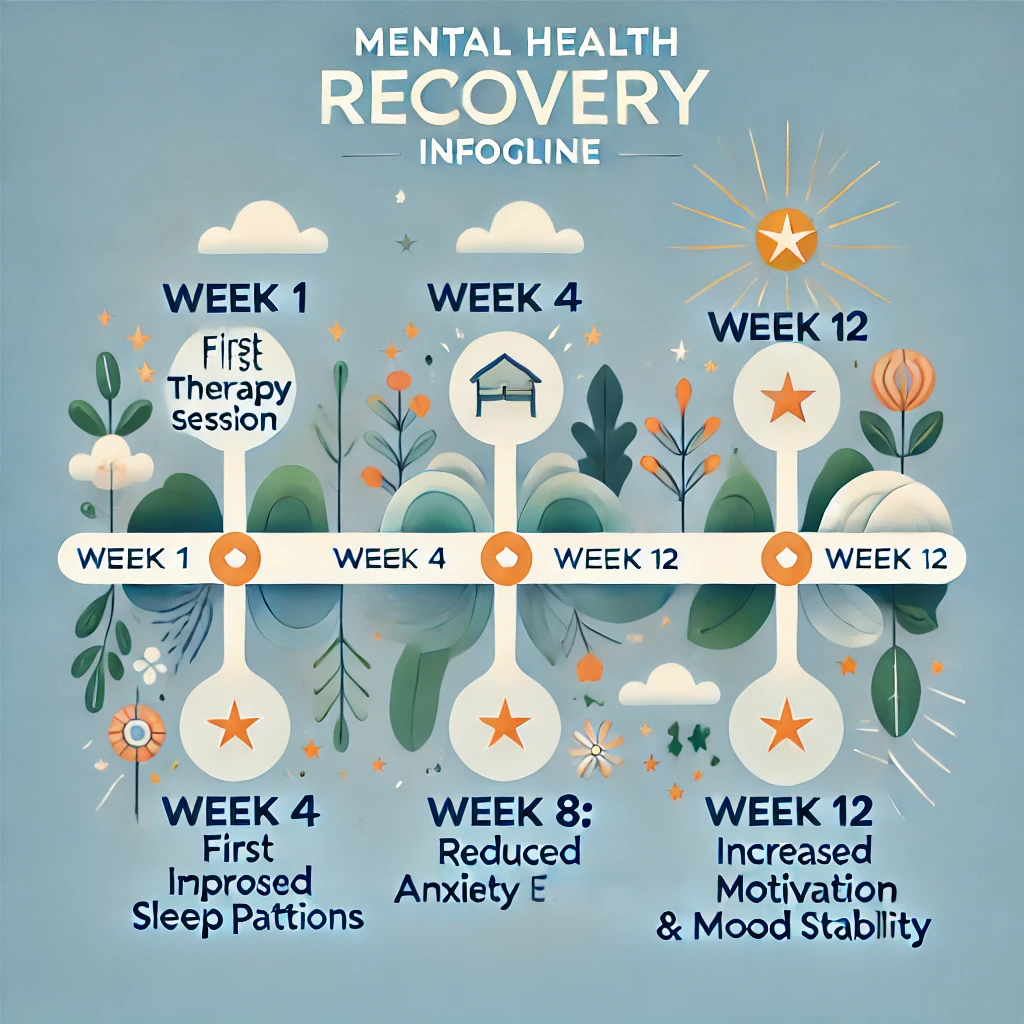
🗣 Real Voices: You're Not Alone
“I used to think anxiety meant being ‘nervous’. But for me, it was a tight chest, irritability, and crying in my car after work. Therapy gave me language to understand what I was experiencing.” – Melissa, 34
“Burnout crept in slowly—I thought I was just lazy. But I wasn’t. I was exhausted from constantly feeling like I had to prove my worth.” – Derek, 41
“I didn’t realize how much my depression affected my physical health. Once I addressed my mental state, even my chronic migraines improved.” – Lina, 29
📌 Final Thoughts: Mental Health Deserves Medical Attention
Mental health challenges like anxiety, depression, and burnout are not signs of weakness—they are health issues that require professional care. With the right tools and support, healing is not just possible—it’s expected.
💬 Have you experienced anxiety, depression, or burnout? What helped you through it? Share your experience in the comments below.👇😊


