
Doctor-Patient Conversation That Could Change Your Life
Dr. Carter: Let’s talk about something critical: preventing mental health issues before they become overwhelming. In today’s world, where stress is constant, effective mental health prevention strategies are just as essential as treatment.
Alex: I’ve never really thought about that. I usually just keep pushing until I crash.
Dr. Carter: You're not alone in that. But what if you could spot the early signs of mental distress and take action before things spiral? That’s the essence of proactive mental health care.
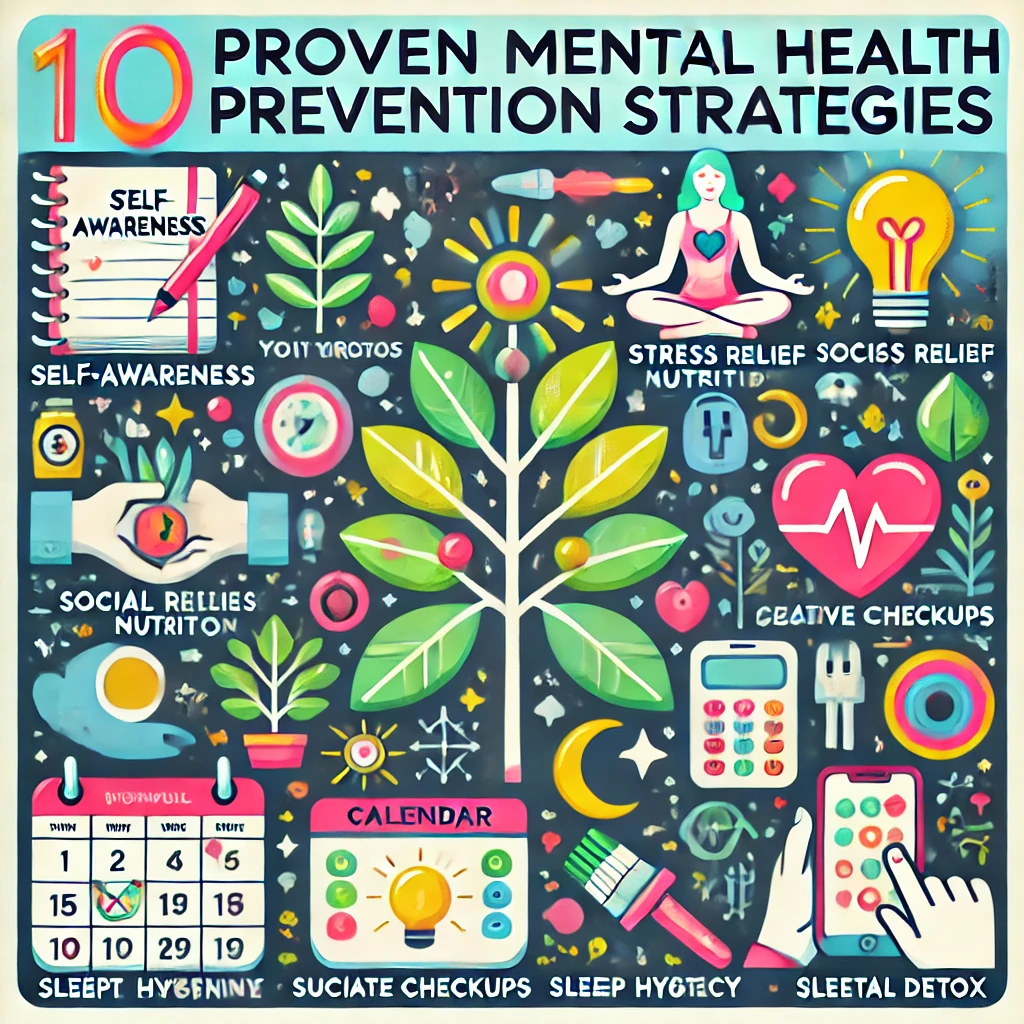
Let me walk you through ten science-backed techniques to prevent anxiety, depression, and burnout:
✅ Self-Awareness & Early Detection: Keep track of your mood, sleep, and energy. Use apps like Moodpath or Daylio. Research shows that people who regularly monitor their mental state tend to seek help six months earlier than others.
✅ Stress Management: Practice daily stress relief—deep breathing, yoga, or mindful walking. A 2018 JAMA study confirmed that mindfulness-based stress reduction lowers cortisol and improves emotional balance.
✅ Sleep Hygiene: A regular sleep schedule—even on weekends—helps regulate serotonin and dopamine. Poor sleep fuels anxiety, mood swings, and depression.
✅ Nutrition & Gut Health: A diet rich in omega-3s, complex carbs, probiotics, and leafy greens supports brain health. The gut-brain axis is real—your digestive system affects your mood. Diets like the Mediterranean diet reduce the risk of depression.
✅ Social Connection: Stay in touch with friends, family, or groups. Social bonds release oxytocin and reduce cortisol. Loneliness increases mental health risks and early mortality by up to 26%.
🧠 Mental Health Prevention Self-Check
Which habits are you currently practicing for your mental well-being?
✅ Routine Mental Health Checkups: Even if you're feeling okay, check in with a therapist occasionally. It’s like a tune-up for your mind.
✅ Digital Detox: Take breaks from news and social media. Unplugging boosts clarity and reduces anxiety.
✅ Live with Purpose: Set goals that align with your values. Purpose helps fight off depression and fosters resilience.
✅ Creative Expression: Journaling, music, painting—any form of creativity reduces stress and enhances mental flexibility.
✅ Time in Nature: Nature exposure—even brief—improves mood and reduces mental fatigue. It’s called ecotherapy for a reason.
Alex: That really puts things into perspective. I’ve been reacting, not preventing.
Dr. Carter: That’s a common pattern. Prevention doesn’t sound exciting, but it’s incredibly powerful. One of my patients simply began walking every evening and journaling. In six months, their panic attacks dropped by 70%—no medication required.
Another started CBT, switched to a Mediterranean-style diet, and added daily meditation. Their sleep, energy, and focus improved significantly.
Alex: That gives me hope. Small steps can really add up.
Dr. Carter: They absolutely do. Preventive mental health care is about consistency, not perfection. It's never too early—or too late—to start.
Let’s create a simple plan for you. Pick three habits to try over the next month. We’ll track progress together. Mental health is a daily investment—and you’re worth it.
Alex: Dr. Carter, what if I relapse or feel worse before I feel better?
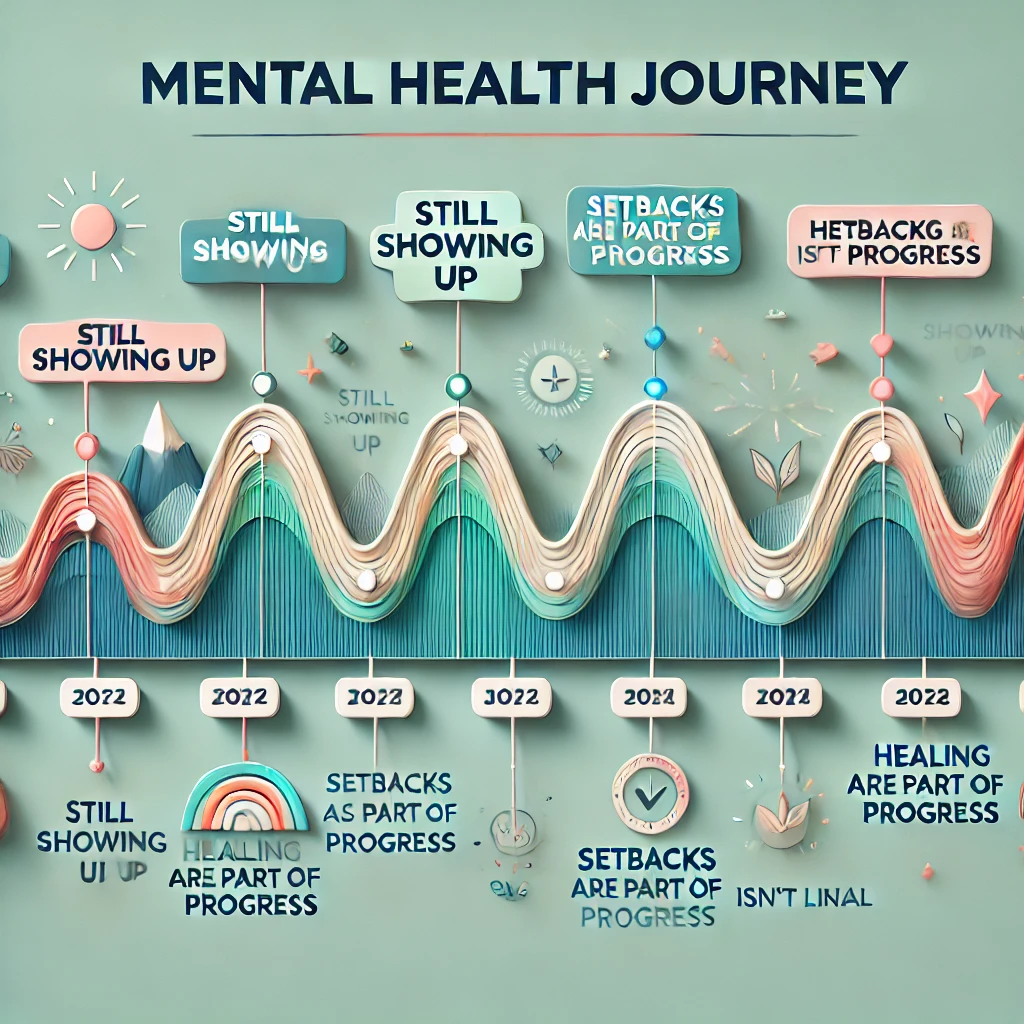
Dr. Carter: That’s an excellent question. Mental health recovery is rarely linear. It’s normal to experience ups and downs. What matters is staying committed—even during setbacks.
People who expect occasional dips often stay more consistent with self-care. Here are five relapse-prevention tools you can use:
✅ Know Your Triggers: Use a mood journal to notice patterns before they escalate.
✅ Build a Coping Toolbox: Have go-to strategies ready: deep breathing, calling a friend, stepping outside, or reviewing therapy notes.
✅ Speak Up: Reach out when you’re struggling—don’t isolate.
✅ Set Realistic Goals: Recovery isn’t about never feeling bad—it’s about bouncing back stronger.
✅ Celebrate Small Wins: On hard days, even brushing your teeth is a victory. Recognize it.
Alex: I guess I’ve been thinking of progress as never feeling down again… maybe that’s why I felt like I was failing.
Dr. Carter: That mindset is more common than you think—and it’s unfair to yourself. Let’s redefine progress as showing up consistently, not avoiding discomfort. You’re doing the hard work. That’s what healing truly is.
Mental health isn’t about eliminating all pain—it’s about building resilience, awareness, and support. And you’re already on that path, Alex.
Alex: Thank you. I finally feel ready to start—not just survive.
Dr. Carter: That’s powerful. And remember, you’re not alone in this.


