
💬 [Scene: Community Health Symposium – A Serious Conversation Among Experts]
Dr. Nina Clarke (Public Health Researcher): Thank you all for joining today’s discussion. We’re facing something that’s not just emotional—it’s biological, societal, and deeply harmful. Loneliness is now a public health crisis.
Dr. Raj Patel (Behavioral Epidemiologist): I couldn’t agree more. The U.S. Surgeon General issued an advisory in 2023, emphasizing that chronic loneliness poses health risks equivalent to smoking 15 cigarettes a day.
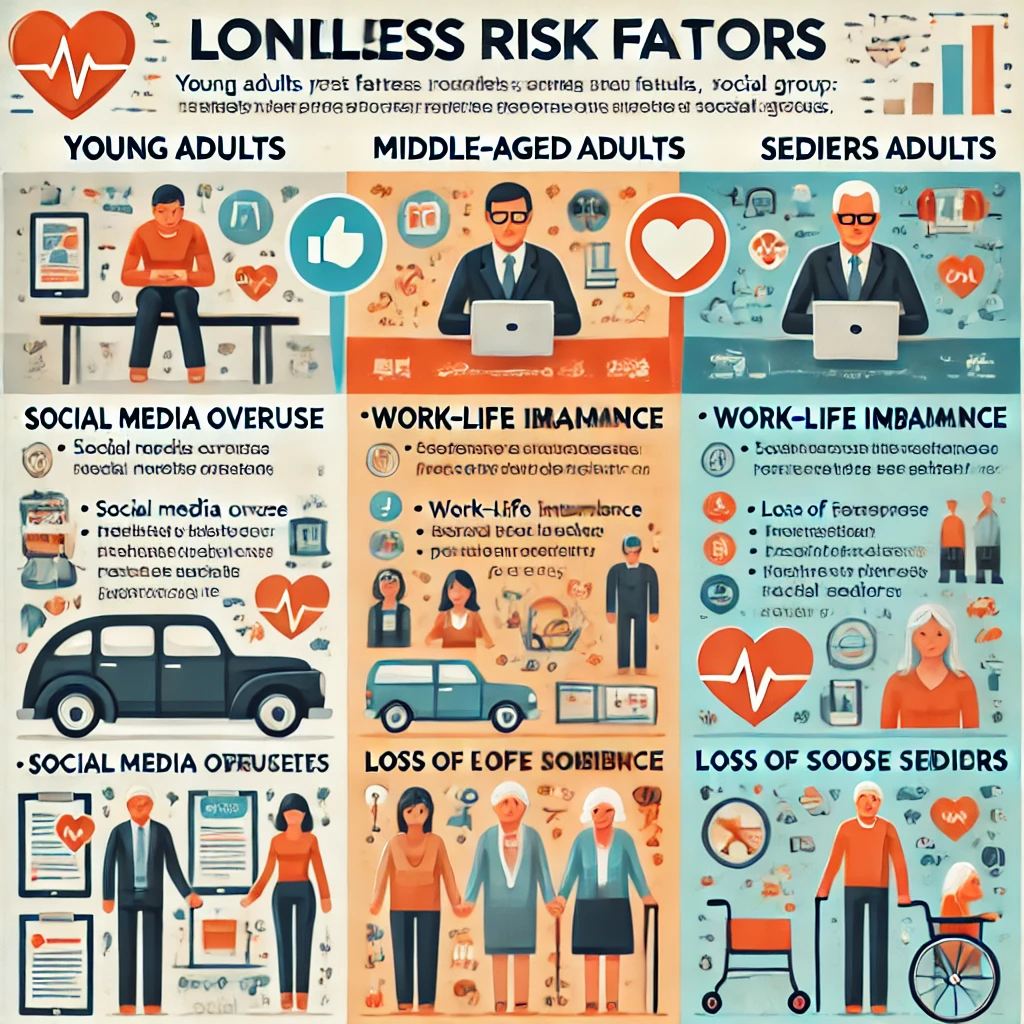
Dr. Leah Moore (Clinical Psychologist): And it’s not just the elderly anymore. We’re seeing isolation across all age groups, especially among young adults living in hyperconnected digital spaces but lacking real social connection.
🔍 1. What Is Loneliness—and Why It’s More Than Just Feeling Alone
Dr. Clarke: Let’s clarify something. Loneliness is the perceived gap between desired and actual social connection. You can be surrounded by people and still feel deeply alone.
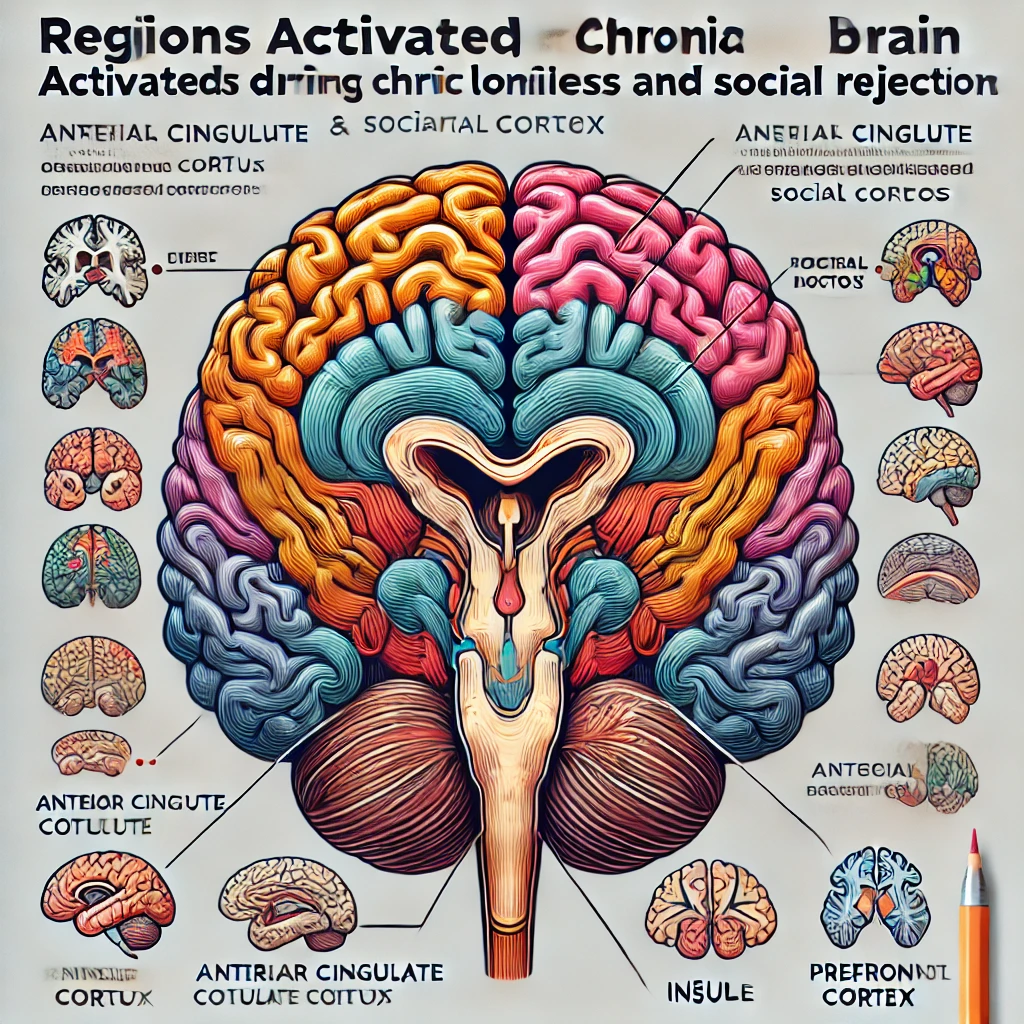
Dr. Moore: That perception triggers our brain’s threat detection systems, leading to increased stress hormones like cortisol and adrenaline. Chronic loneliness activates the same regions of the brain as physical pain.
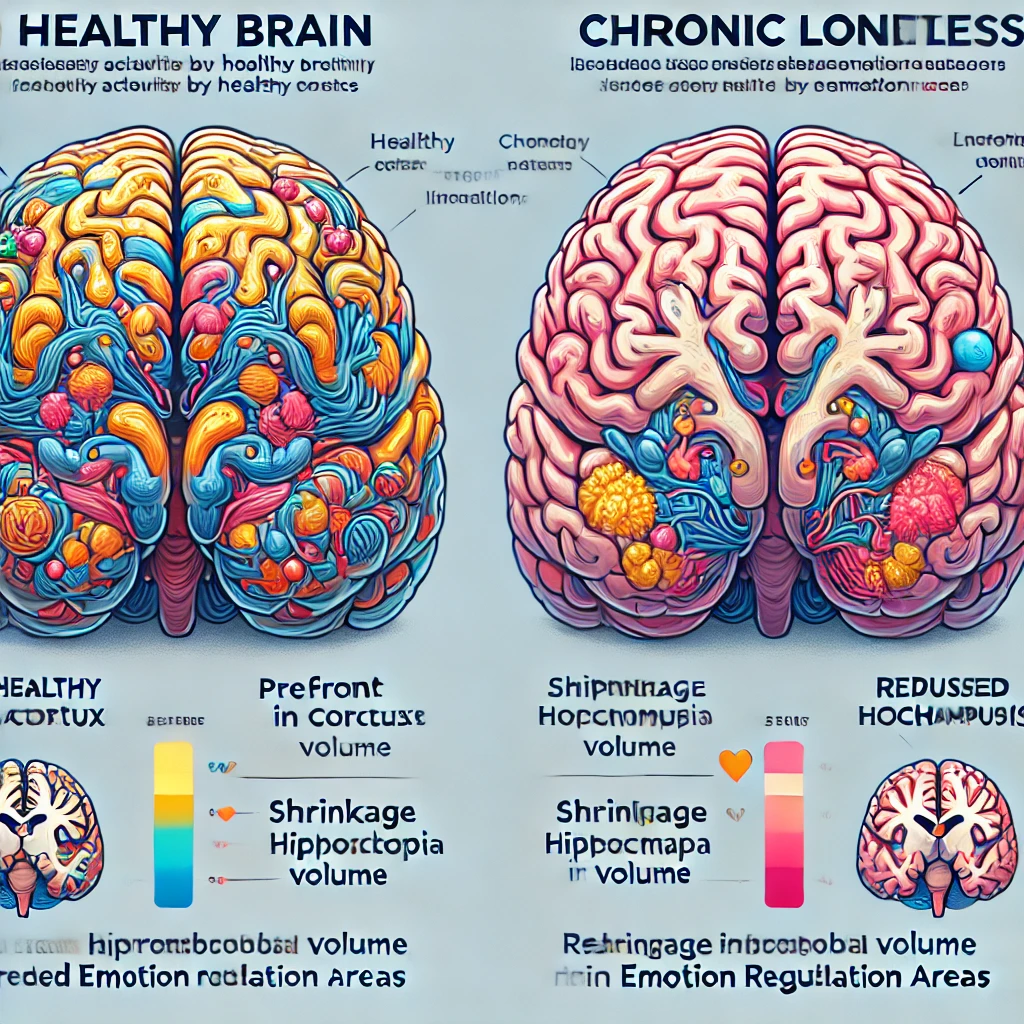
Dr. Patel: Exactly. The body reacts as if it’s under attack. Long-term effects include inflammation, immune suppression, poor sleep, depression, and cardiovascular disease.
📖 Source: Holt-Lunstad J., et al. (2023), Journal of Health Psychology; U.S. Surgeon General’s Advisory on Loneliness
🧠 2. The Biology of Loneliness: How Isolation Harms the Body
Dr. Clarke: Studies using fMRI show that loneliness activates the anterior cingulate cortex and insula, areas linked to social pain.
Dr. Patel: There’s also an epigenetic impact. Prolonged loneliness can alter gene expression related to inflammation and immune response.
Dr. Moore: We also see a strong connection between loneliness and cognitive decline. One longitudinal study found that lonely seniors had a 40% increased risk of developing dementia.
📖 Source: Cacioppo, J.T. (2020); NIH Aging & Loneliness Research; The Lancet Neurology Review
📉 3. Who Is Most at Risk—and Why It’s Not Who You Think
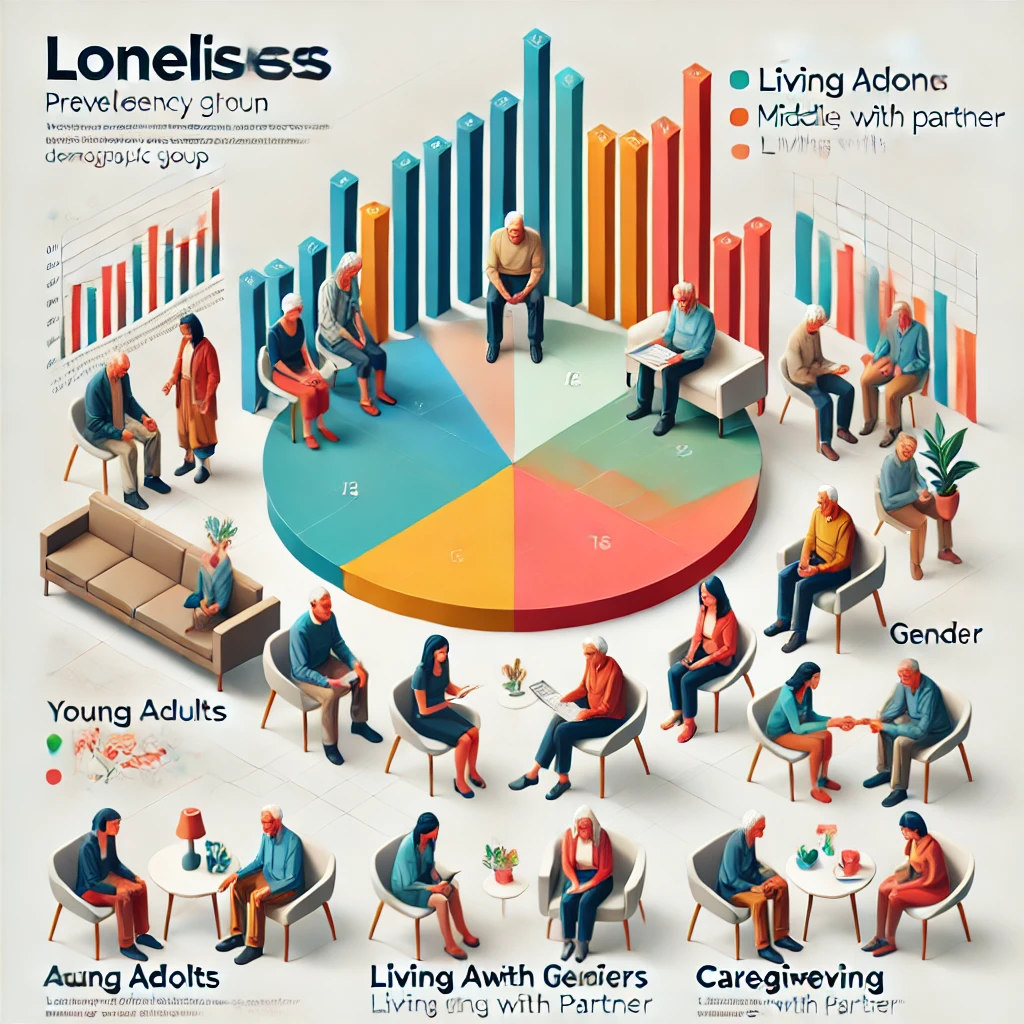
Dr. Moore: We often assume it’s only seniors, but Gen Z and millennials report the highest loneliness scores in recent studies.
Dr. Patel: Digital connectivity doesn’t guarantee emotional closeness. Social media can amplify comparison, disconnection, and even shame.
Dr. Clarke: Immigrants, caregivers, remote workers, and LGBTQ+ individuals are also disproportionately affected due to systemic and environmental factors.
📖 Source: Pew Research Center, 2022; Harvard Graduate School of Education – Making Caring Common Project
💡 4. Solutions That Work: Rebuilding Social Health
Dr. Clarke: We need a paradigm shift. Social connection should be treated as a key health indicator, not a luxury.
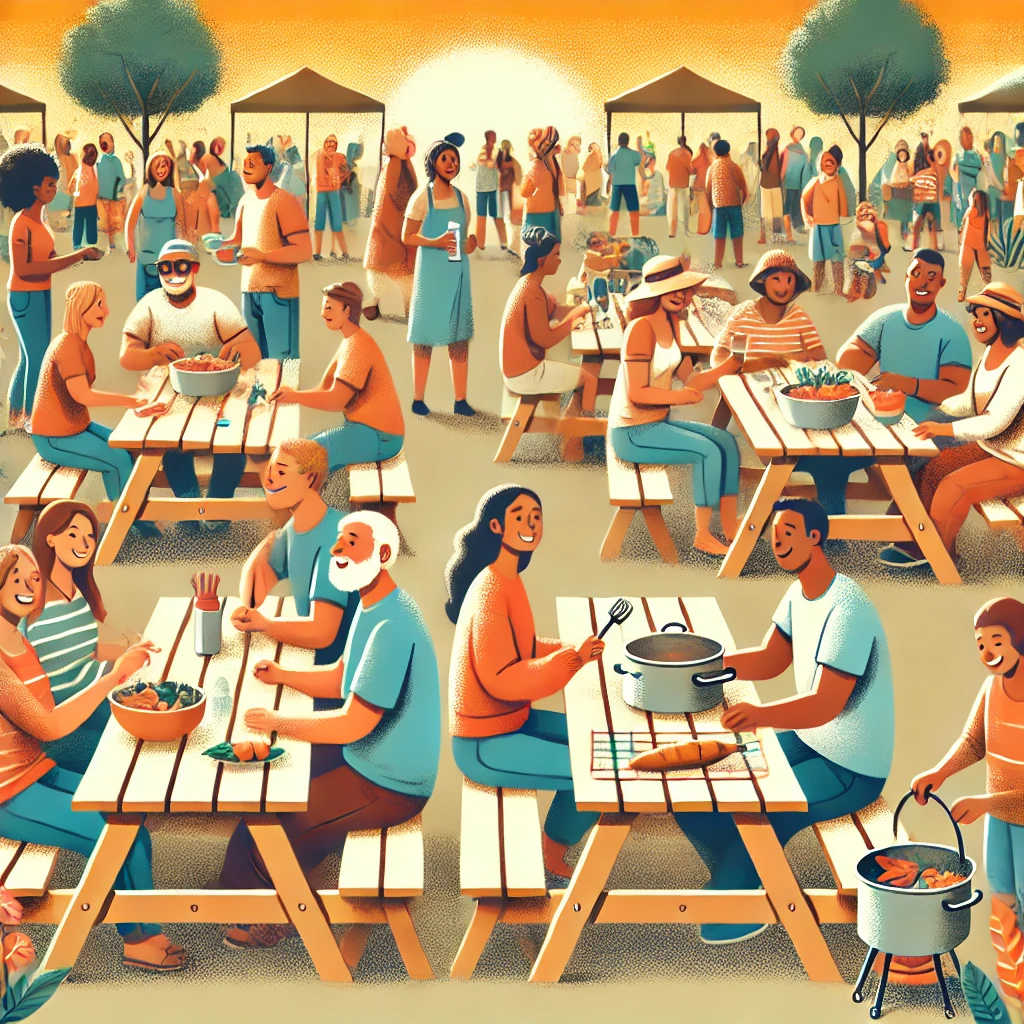
Dr. Moore: I use group therapy, social prescribing, and community-building activities like shared meals and volunteer programs. They work.
Dr. Patel: At a policy level, cities are investing in “infrastructure for belonging”—like libraries, parks, and co-living models that foster spontaneous interaction.
📖 Source: UK Ministry of Loneliness; APA Task Force on Social Connection; WHO Urban Health Report
🔁 5. Digital Detox vs. Digital Community: The Double-Edged Sword
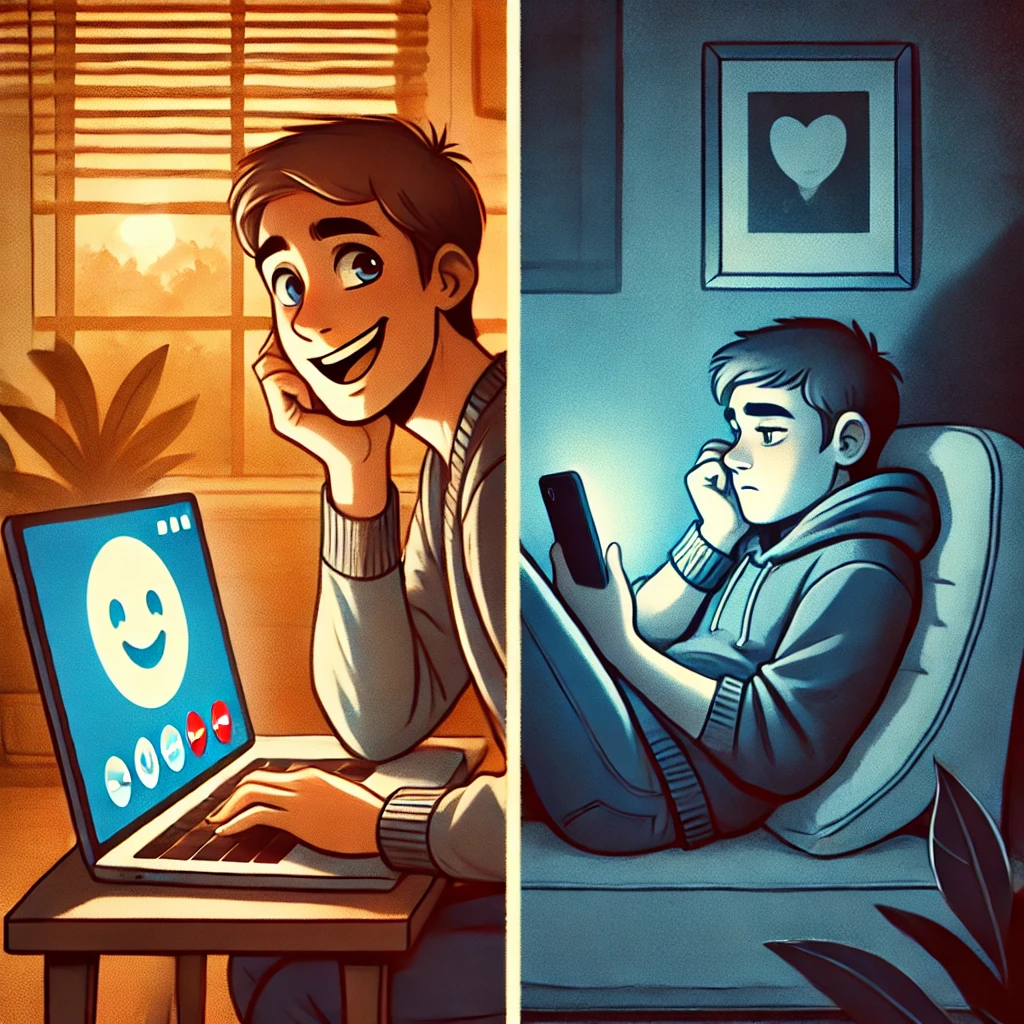
Dr. Patel: Not all screen time is harmful. When used right, digital tools can create meaningful connection—especially for those with mobility issues.
Dr. Moore: But we need intentional design. Platforms that reward vulnerability, peer support, and real-time voice/video interaction help reduce loneliness.
Dr. Clarke: Digital spaces should augment—not replace—real-world connection. And we need more research-backed digital interventions that prioritize empathy over algorithms.
📖 Source: Stanford Center for Loneliness; Digital Human Connection Project; Journal of Behavioral Science & Technology
✅ Conclusion: Reconnecting the Disconnected
Loneliness is more than an emotion—it’s a health threat. But it’s also something we can solve. Through awareness, design, policy, and personal action, we can build a world where no one feels invisible.
💬 How do you stay meaningfully connected in today’s world? Share your thoughts or experiences in the comments.👇


