
💬 [Scene: National Health & Urban Planning Summit – Cross-Sector Expert Roundtable]
Moderator (Dr. Eliza Grant – Public Health Strategist): Welcome, everyone. Today’s question is provocative but urgent: Is loneliness the result of failed policies? We’ve invested in digital infrastructure, not social fabric. Let’s explore how design, governance, and intentionality impact human connection.
Prof. Michael Hsu (Urban Sociologist): Thank you, Eliza. I believe loneliness is a structural issue, not merely a personal one. Urban sprawl, privatized spaces, car-centric zoning—these have eroded organic opportunities for connection.
Dr. Renee Alvarez (Community Psychiatrist): And from a mental health lens, chronic isolation manifests biologically. Cortisol levels rise, neuroplasticity suffers, and we see higher incidence of depression, cognitive decline, and even cardiovascular issues.
Lisa Kim (Digital Culture Analyst): Our online platforms are engineered for attention, not empathy. The algorithm rewards scrolling, not bonding. Digital loneliness is engineered, not accidental.
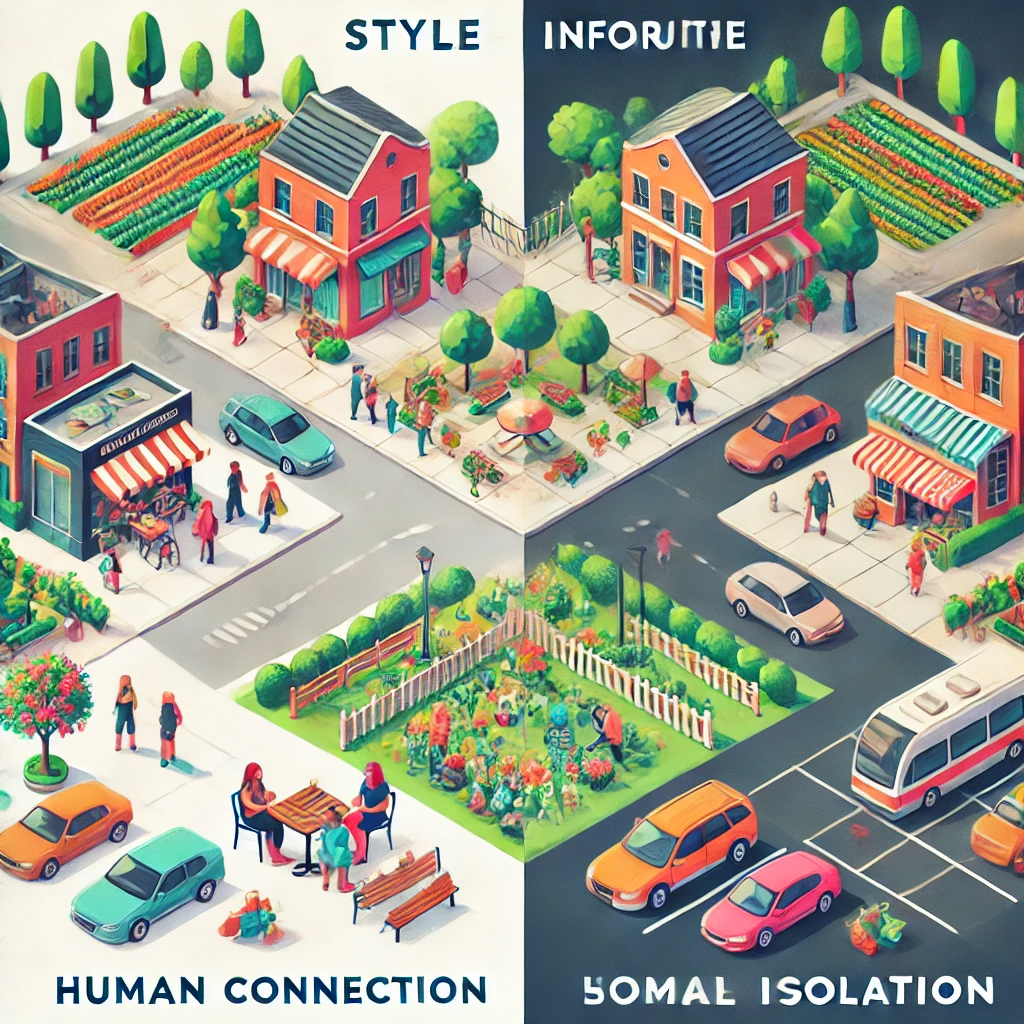
🧱 1. Social Infrastructure Matters – And We're Not Building It
Prof. Hsu: We used to design neighborhoods with front porches, community centers, third places—now we have cul-de-sacs, parking lots, and privatized malls.
Dr. Grant: Jane Jacobs argued that “eyes on the street” build safe and bonded neighborhoods. Today, social architecture has been replaced by surveillance cameras.
Lisa Kim: Without shared physical spaces, we offload social needs to apps. But digital substitutes can’t replicate unstructured, serendipitous interaction.
📖 Sources: Jane Jacobs (1961); Eric Klinenberg’s Palaces for the People; WHO Social Determinants Report
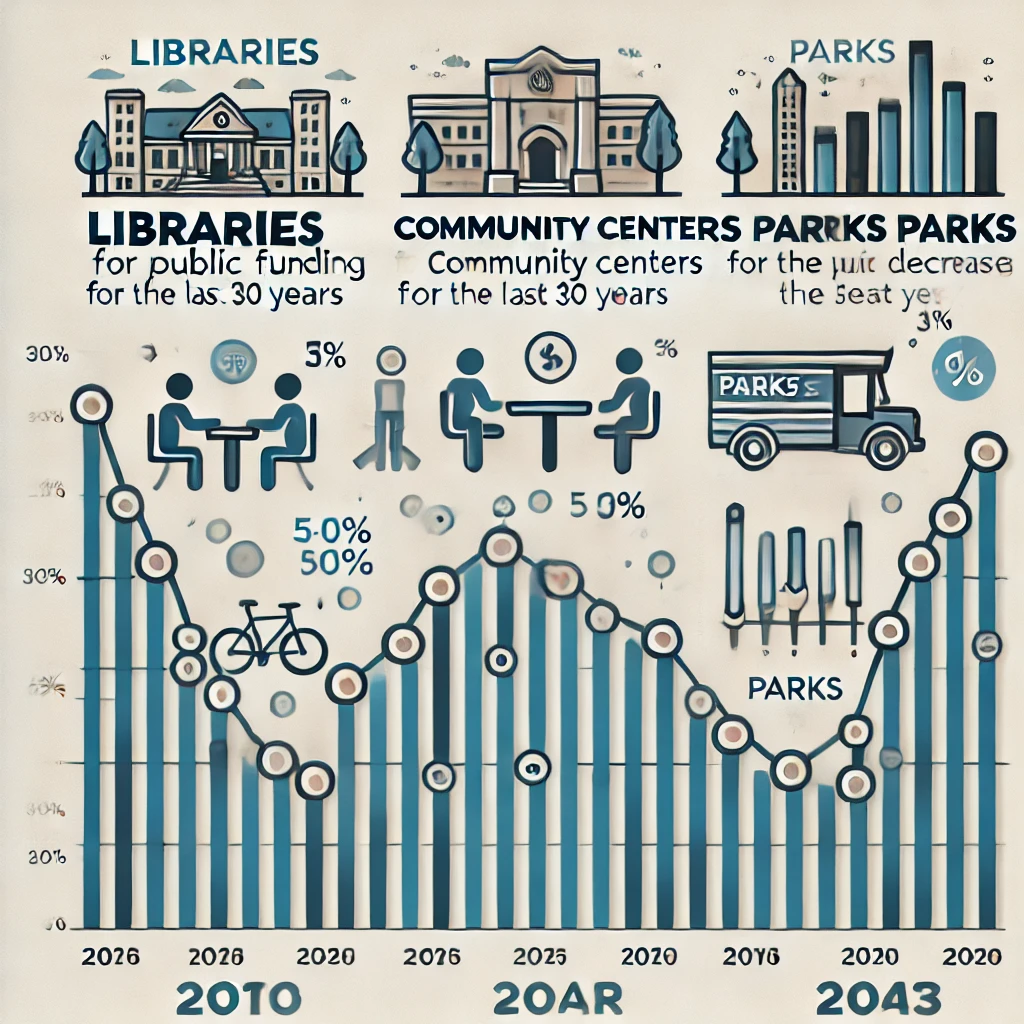
📉 2. Policy Blindspots: When Cities Ignore Connection
Dr. Alvarez: The U.S. Surgeon General warned that loneliness is as deadly as smoking 15 cigarettes a day. But how many city health departments have a loneliness strategy?
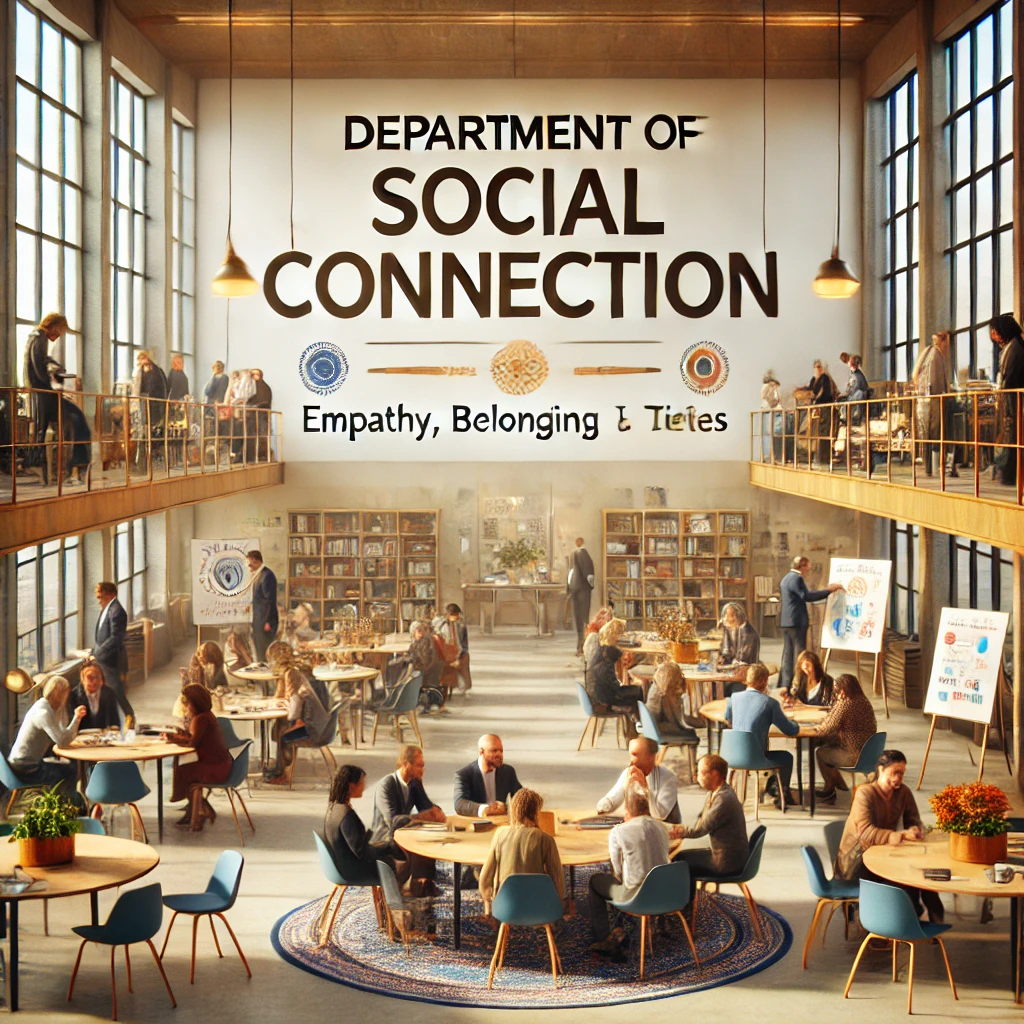
Prof. Hsu: We have transportation departments, sanitation bureaus—but not “departments of social connection.” That’s telling.
Dr. Grant: In Japan, local governments have begun hiring “community coordinators” to reduce social isolation in seniors. Where are our equivalents?
📖 Sources: U.S. Surgeon General Advisory (2023); Japan’s Ministry of Loneliness Programs; NYT Urban Wellness Coverage
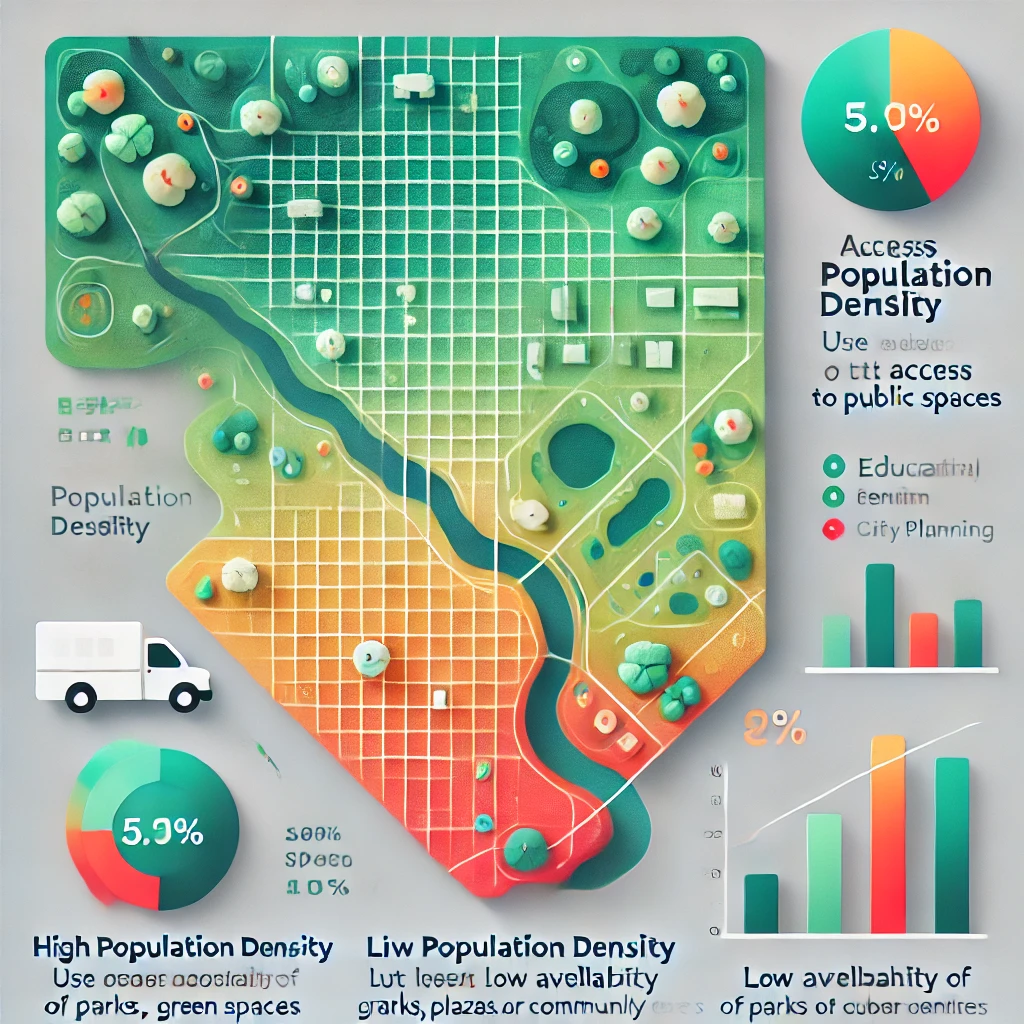
📱 3. The Digital Disconnection Dilemma
Lisa Kim: Social media use is rising, but emotional satisfaction is dropping. Platforms reward shallow interaction, not deep reciprocity.
Dr. Alvarez: My teenage patients report hundreds of followers but zero confidants. It’s not screen time per se—it’s what the screen displaces.
Prof. Hsu: We outsourced community to corporations. Facebook is now the town square. But who governs that square? Not the people.
📖 Sources: Pew Internet Research (2024); MIT Digital Wellbeing Lab; Stanford Center for Human Technology
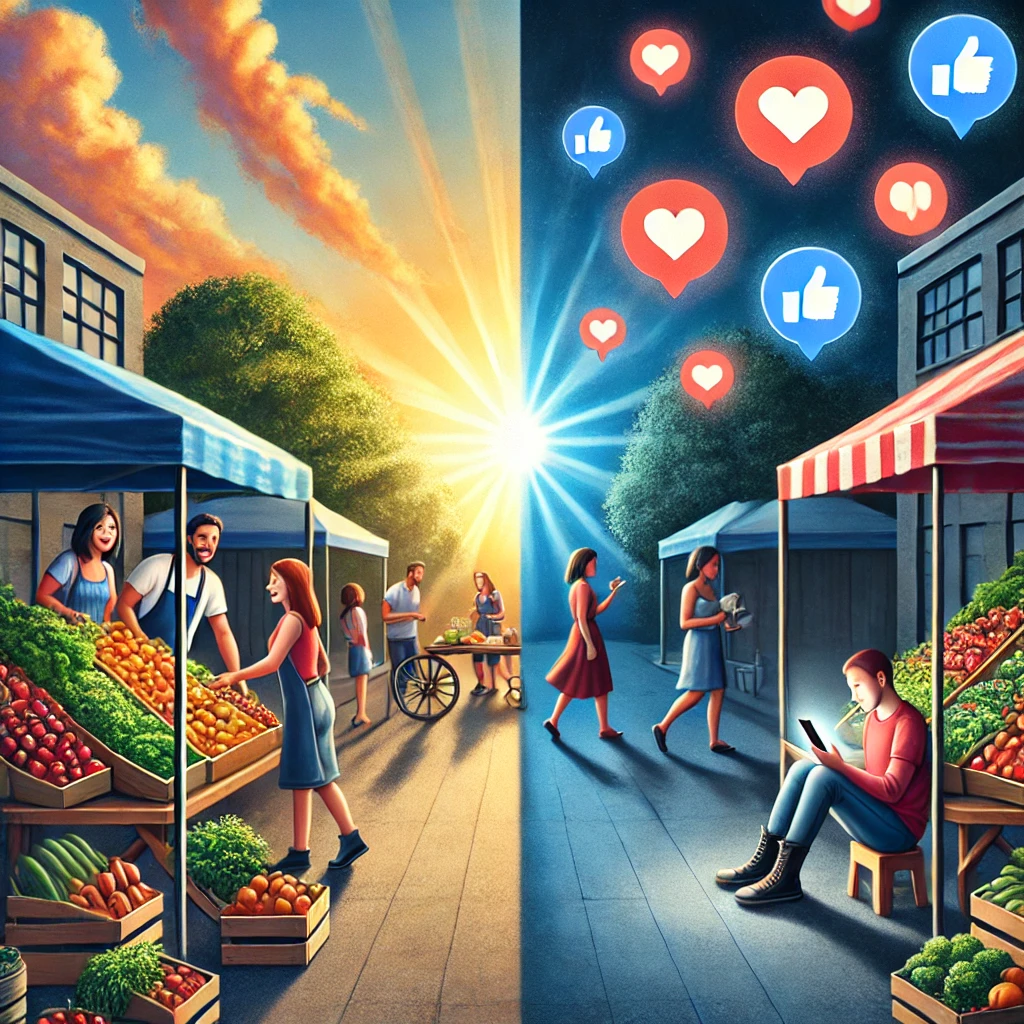
🛠 4. What Works: Case Studies from Around the World
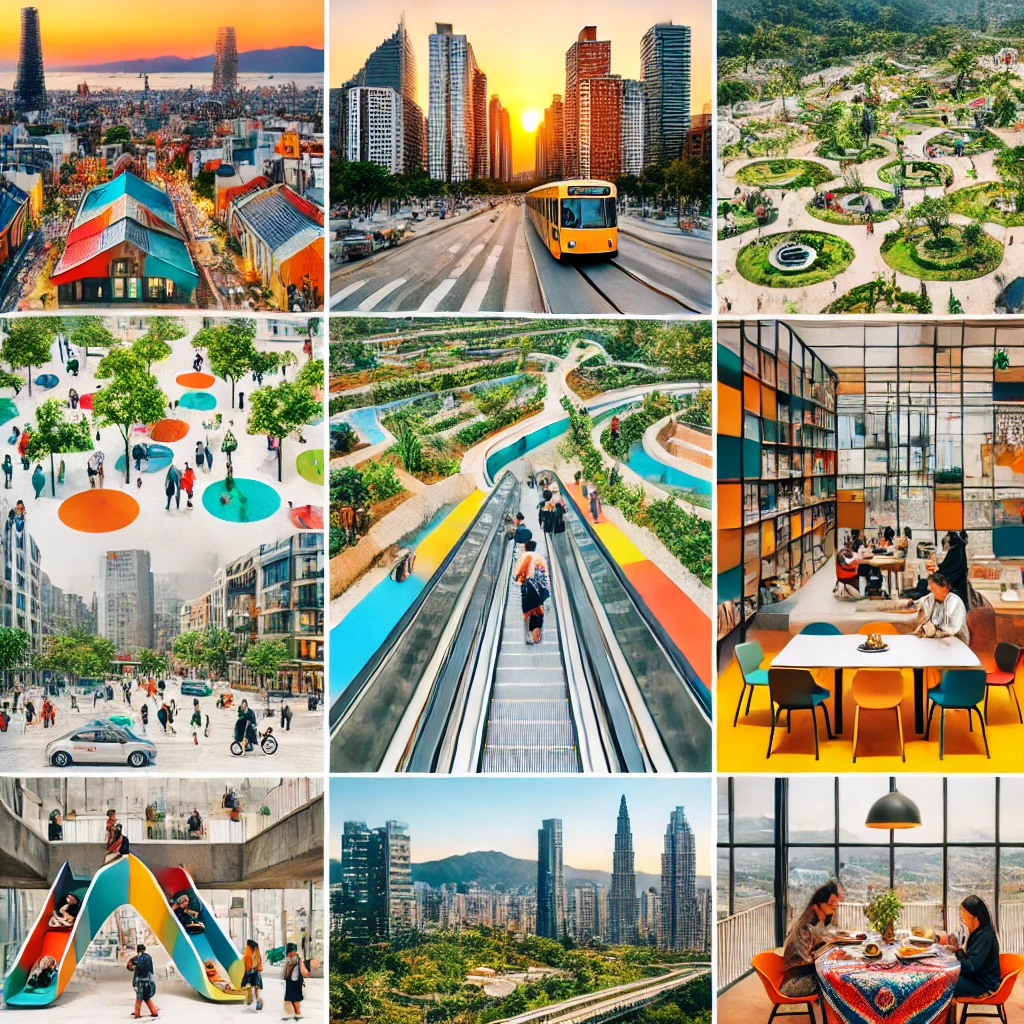
Dr. Grant: Barcelona’s “Superblocks” redesign prioritizes walkability, green space, and social gathering. The result? Higher reported well-being and social trust.
Prof. Hsu: Medellín, Colombia invested in public escalators and libraries in underserved communities—violence dropped, connection rose.
Lisa Kim: In Seoul, co-living housing with shared kitchens and events reduced urban loneliness in youth populations by 38%.
📖 Sources: UN-Habitat Reports; Barcelona Superblock Study; Seoul Metropolitan Social Living Research 2023
🌍 5. A Call for Policy-Level Connection Design
Dr. Alvarez: Connection is medicine. Yet, it’s rarely funded, measured, or prioritized.
Lisa Kim: Imagine if zoning laws required connection metrics—like “minutes of face-to-face interaction per resident per week.”
Prof. Hsu: We don’t just need more therapists—we need more neighbors. Policy must build connection into the built environment.
Dr. Grant: This isn’t just public health. It’s social architecture. And the blueprint needs a rewrite.
✅ Conclusion: Loneliness Is Not Inevitable—It’s Engineered (and Fixable)
Loneliness doesn’t come from nowhere. It’s built—by zoning laws, neglected parks, algorithmic design, and cultural isolation. But what’s built can be redesigned.
🛠️ Connection isn’t soft—it’s infrastructure. It’s time we started treating it like one.
💬 How would you design your city for human connection? Share your thoughts in the comments.


