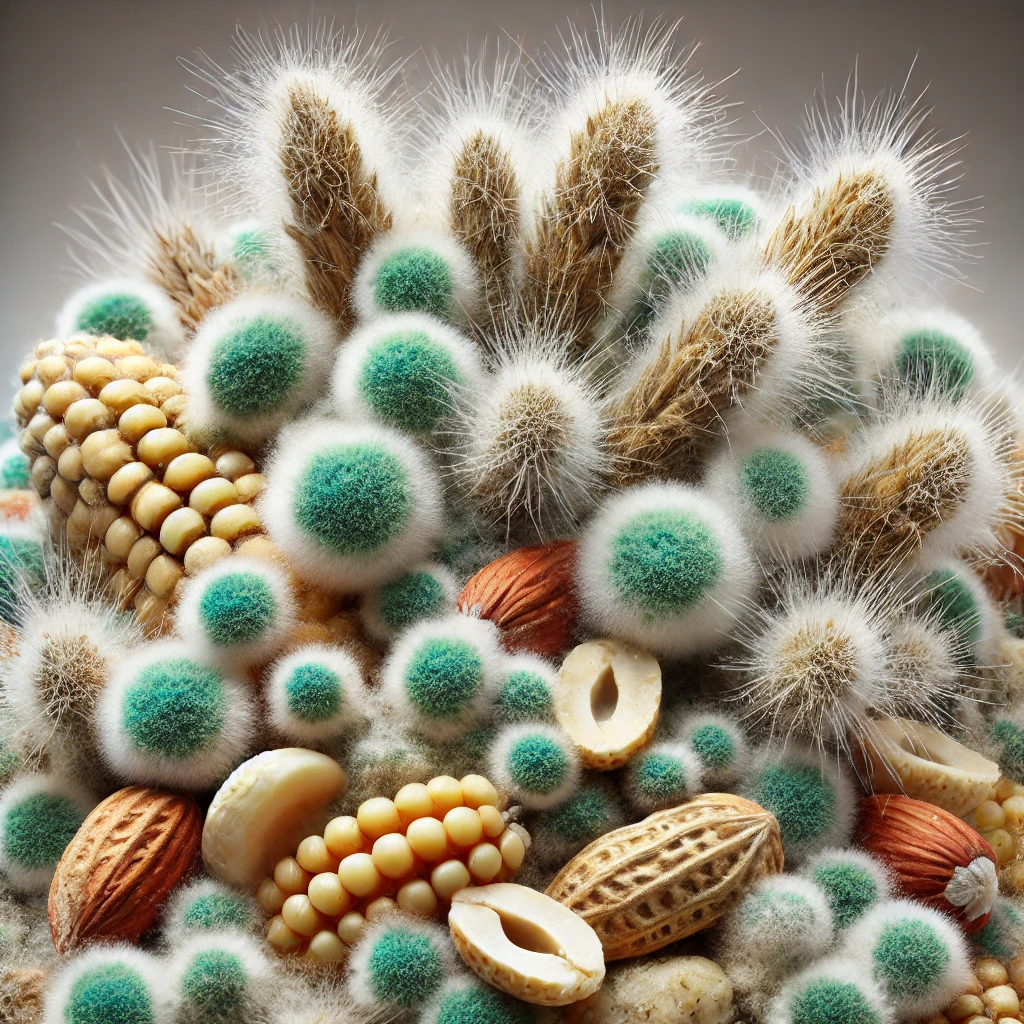
Alt text (SEO): "Microscopic mold growing on grain and nuts, source of mycotoxins in food"
🎙️ Moderator (Rachel Kim, MPH, Health Journalist):
Welcome to another edition of Toxic or Not?, where we unpack the science behind food fears and nutritional controversies. Today’s hot topic: mycotoxins — toxic substances produced by mold — and their presence in everyday foods like coffee, grains, nuts, and spices. Should we be concerned, or is this just fear-mongering?
To find out, we’re joined by two leading experts:
- Dr. Laura Cheng, PhD in Toxicology, advisor to international food safety panels.
- Dr. Peter Wallace, ND, functional medicine practitioner and mold detox advocate.
Let’s begin.
☠️ Topic 1: What Are Mycotoxins and Where Are They Found?
Rachel: Dr. Cheng, can you define what mycotoxins are?
Dr. Cheng:
Sure. Mycotoxins are toxic secondary metabolites produced by fungi such as Aspergillus, Fusarium, and Penicillium. They're most commonly found in grains, corn, nuts, coffee beans, cocoa, dried fruits, and spices — especially when stored improperly in humid conditions.
Dr. Wallace:
Let’s not forget hidden exposures — like moldy buildings, contaminated supplements, and even breast milk in exposed mothers. These compounds, particularly aflatoxins, ochratoxin A, and zearalenone, can disrupt liver, kidney, immune, and neurological functions.
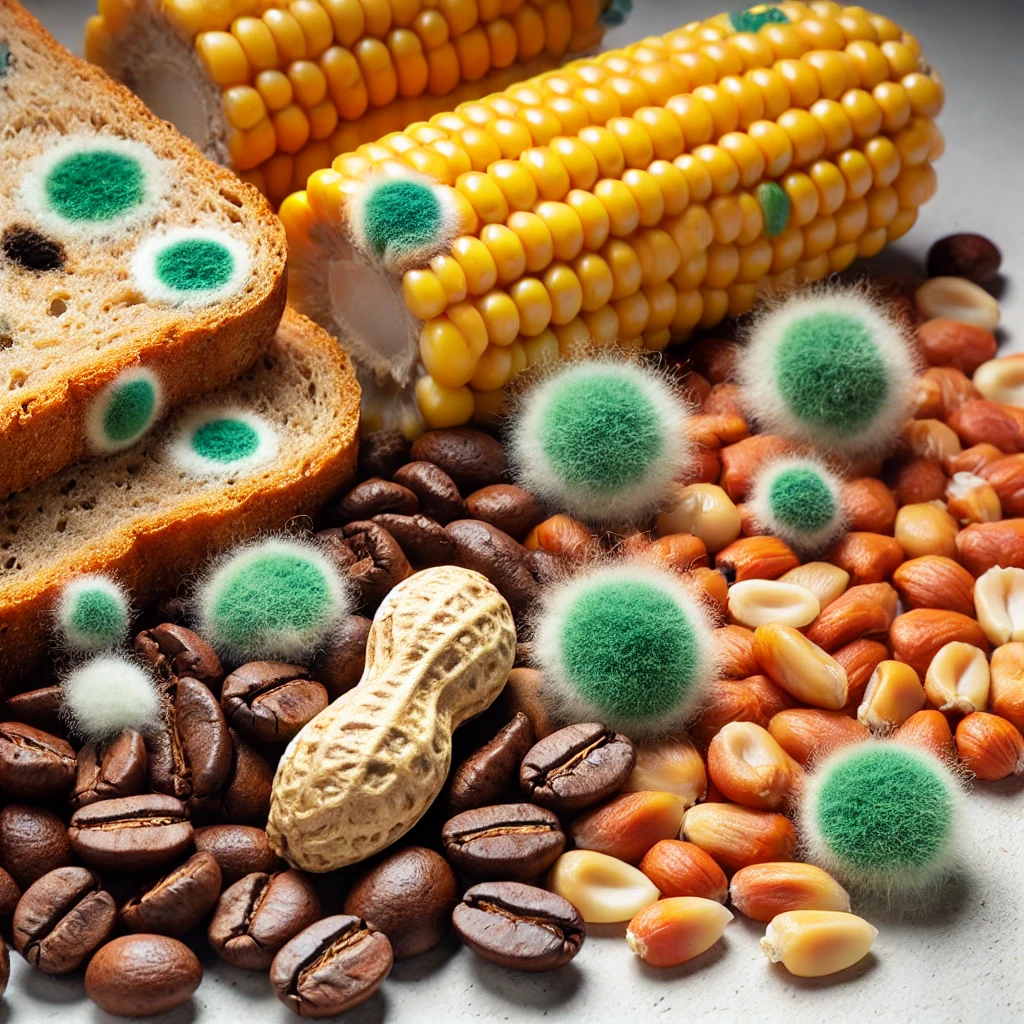
Alt text (SEO): "High-resolution image showing mold-contaminated foods such as coffee beans, corn, peanuts, and grains on a neutral background, suitable for educational use on food safety blogs"
🔥 Topic 2: Are Mycotoxins Dangerous at Current Exposure Levels?
Rachel: So the big question: are we being poisoned in small amounts?
Dr. Cheng:
According to the World Health Organization (WHO) and European Food Safety Authority (EFSA), chronic exposure to mycotoxins can be harmful, especially in developing countries. However, in most industrialized nations, regulatory limits keep levels below danger thresholds. The body can tolerate occasional exposure if overall liver health is strong.
Dr. Wallace:
But that assumes a healthy, resilient population. In reality, we’re seeing a rise in non-specific symptoms — fatigue, brain fog, histamine sensitivity — which may be linked to long-term low-dose exposure. There’s emerging evidence mycotoxins act synergistically with other toxins, amplifying damage.
Dr. Cheng:
That’s speculative. Most human studies show dose-dependent toxicity, not widespread harm at trace levels.
🧠 Topic 3: Can Mycotoxins Affect Brain and Immune Function?
Rachel: Dr. Wallace, you’ve said mycotoxins are a “silent contributor to chronic disease.” What’s the basis for that?
Dr. Wallace:
Certain mycotoxins cross the blood-brain barrier and interfere with mitochondrial respiration. For example, ochratoxin A has been shown to cause oxidative stress in neural tissue. Animal studies show links to anxiety, depression, memory deficits, and even autoimmunity.
Dr. Cheng:
Animal models often use high doses that don’t reflect real-world diets. While the gut-brain axis and immune modulation are active areas of research, we don’t yet have causal human data.
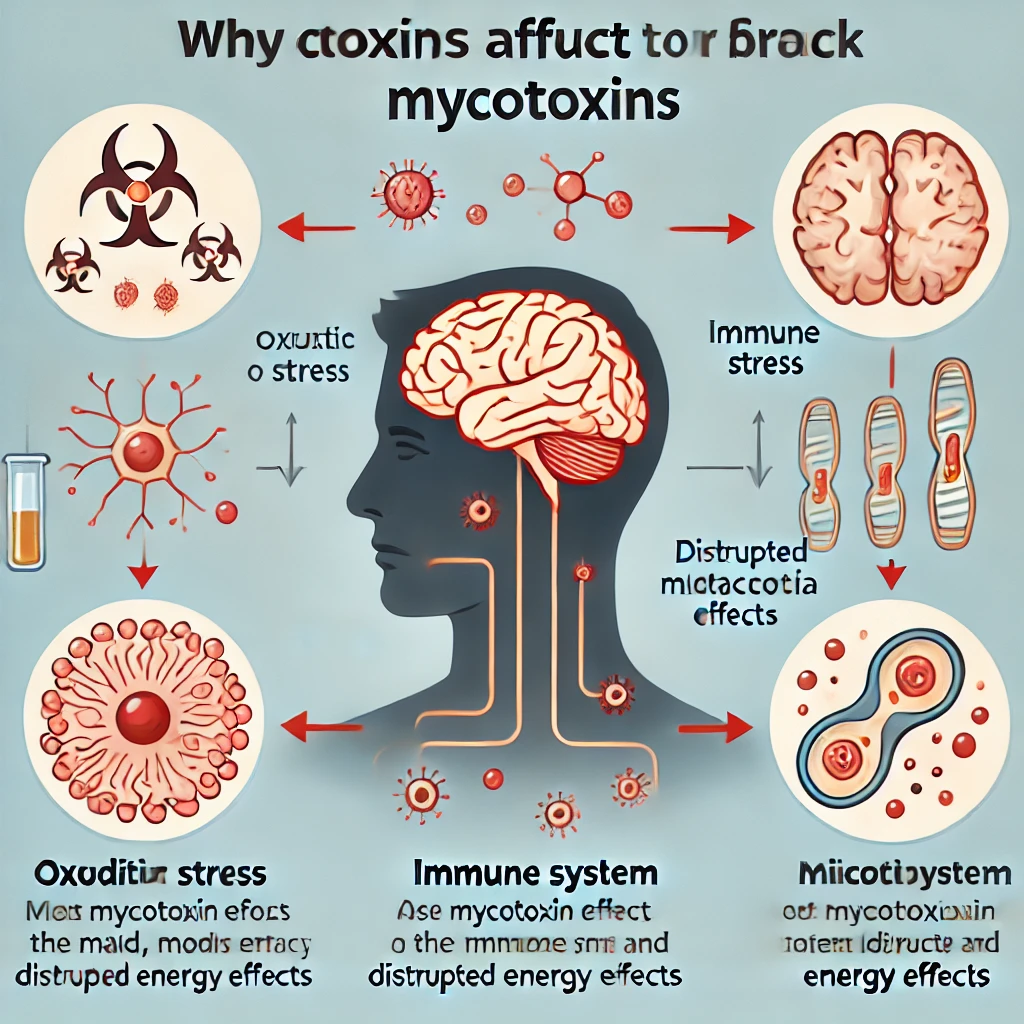
Alt text (SEO): "Infographic showing how mycotoxins may affect the brain, immune system, and mitochondria"
🧪 Topic 4: What Does the Research Say?
📌 Key Studies:
- Wild CP et al. (2015) – Aflatoxin exposure linked to liver cancer in Africa. Synergistic with hepatitis B infection.
- Zhang et al. (2018) – Low-dose ochratoxin A causes kidney and immune dysregulation in mice.
- Mahfouz et al. (2021) – Detected mycotoxins in over 60% of commercial coffee brands tested.
- Wu et al. (2022) – Review concluded "subclinical mycotoxin exposure may be under-recognized in chronic illness."
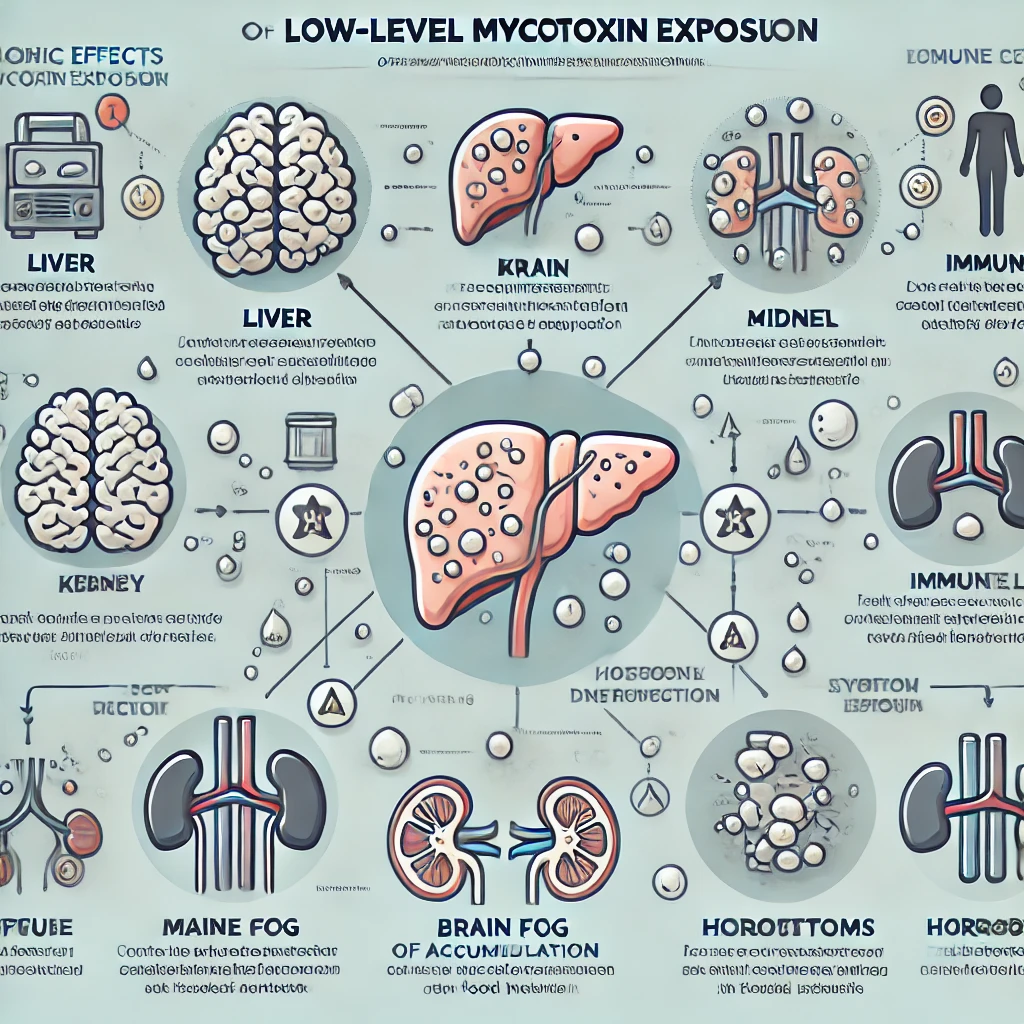
Alt text (SEO): "Scientific evidence on chronic effects of low-level mycotoxin exposure"
🧴 Topic 5: Detox, Hype or Hope?
Rachel: Mold detox is a growing industry. Functional medicine loves binders, saunas, and green juices. Is there truth to it?
Dr. Wallace:
There is. Cholestyramine, bentonite clay, activated charcoal, and glutathione have documented benefits in binding or metabolizing mycotoxins. Also, infrared sauna and sweating protocols may support excretion.
Dr. Cheng:
While detox protocols may help in acute poisoning, the evidence for routine detox in healthy individuals is sparse. It’s also risky to promote this without testing.
Dr. Wallace:
Yet most people aren’t tested. Labs for urinary mycotoxin levels are not part of routine care — so the damage can go unnoticed for years.
✅ Moderator Summary: What Should We Do?
- Mycotoxins are real, and not entirely hype. While regulations protect against acute exposure, chronic low-level exposure remains a concern.
- Vulnerable individuals — like those with liver issues, mold sensitivity, or autoimmune disease — may need to reduce exposure.
- Proper food storage, organic sourcing, and diversity in diet are your best defenses.
- Testing and targeted detox may be worth considering if symptoms are unexplained and persistent.
❓ FAQ: Mycotoxins in Everyday Life
🧃 Q1: Is coffee safe to drink?
A: Most commercial coffees comply with safety limits, but lower-quality, mass-roasted beans may carry more mycotoxins. Opt for wet-processed, mold-tested brands when possible.
🍞 Q2: Do organic foods have fewer mycotoxins?
A: Not always. Organic foods can mold too. The key is how the food is stored and handled post-harvest, not just farming method.
👶 Q3: Can mycotoxins pass into breast milk?
A: Yes, especially ochratoxin A has been found in breast milk in exposed populations. Pregnant and breastfeeding women should be extra cautious with grains, nuts, and coffee.
🧪 Q4: Can I test for mycotoxins in my body?
A: Yes, through specialized labs that test urinary mycotoxins or blood markers of oxidative stress. These tests are usually not covered by insurance.
🧂 Q5: What foods are most likely to be contaminated?
A: Common culprits include peanuts, corn, coffee, wheat, spices, dried fruit, and rice — especially if stored in warm, humid environments.
🌿 Q6: How can I lower my risk?
A: Store food in dry, cool places, avoid bulk-bin items of unknown age, buy certified toxin-free brands, rotate foods, and support liver detox with cruciferous veggies and antioxidants.


