Are You Exposed to Dangerous 'Forever Chemicals' Without Knowing It?
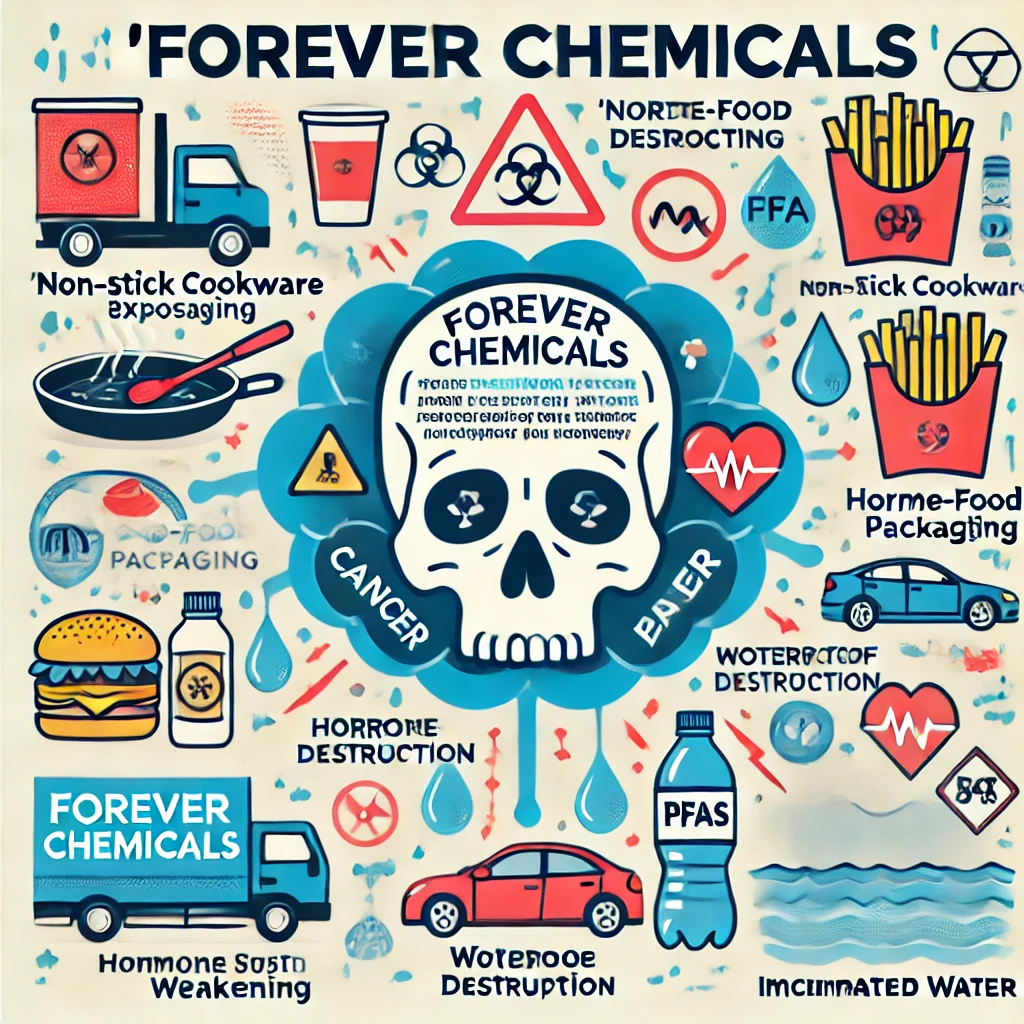
From non-stick cookware to waterproof clothing, fast-food packaging, and cosmetics, we are constantly exposed to per- and polyfluoroalkyl substances (PFAS), also known as 'Forever Chemicals'. These synthetic chemicals are nearly indestructible in nature and accumulate in our bodies over time, leading to severe health concerns. But how harmful are they, and what can we do to limit exposure? Let’s dive into this pressing global health issue!
💬 A Conversation on PFAS and Health
Emma:
Jake, did you know that everyday items like Teflon pans and even drinking water can contain harmful 'Forever Chemicals'?
Jake:
What?! I thought those things were safe. Why are they dangerous?
Emma:
The problem with PFAS is that they don’t break down and accumulate in our bodies and the environment. Studies have linked them to cancer, liver damage, hormone disruption, and immune system issues.
Jake:
That’s scary! So, are these chemicals everywhere?
Emma:
Unfortunately, yes. They’re used in waterproof clothes, firefighting foam, and even some food packaging. Many water sources worldwide are contaminated with PFAS, and people are consuming them daily without realizing it.
Jake:
Okay, now I’m really worried. What can we do to protect ourselves?
Emma:
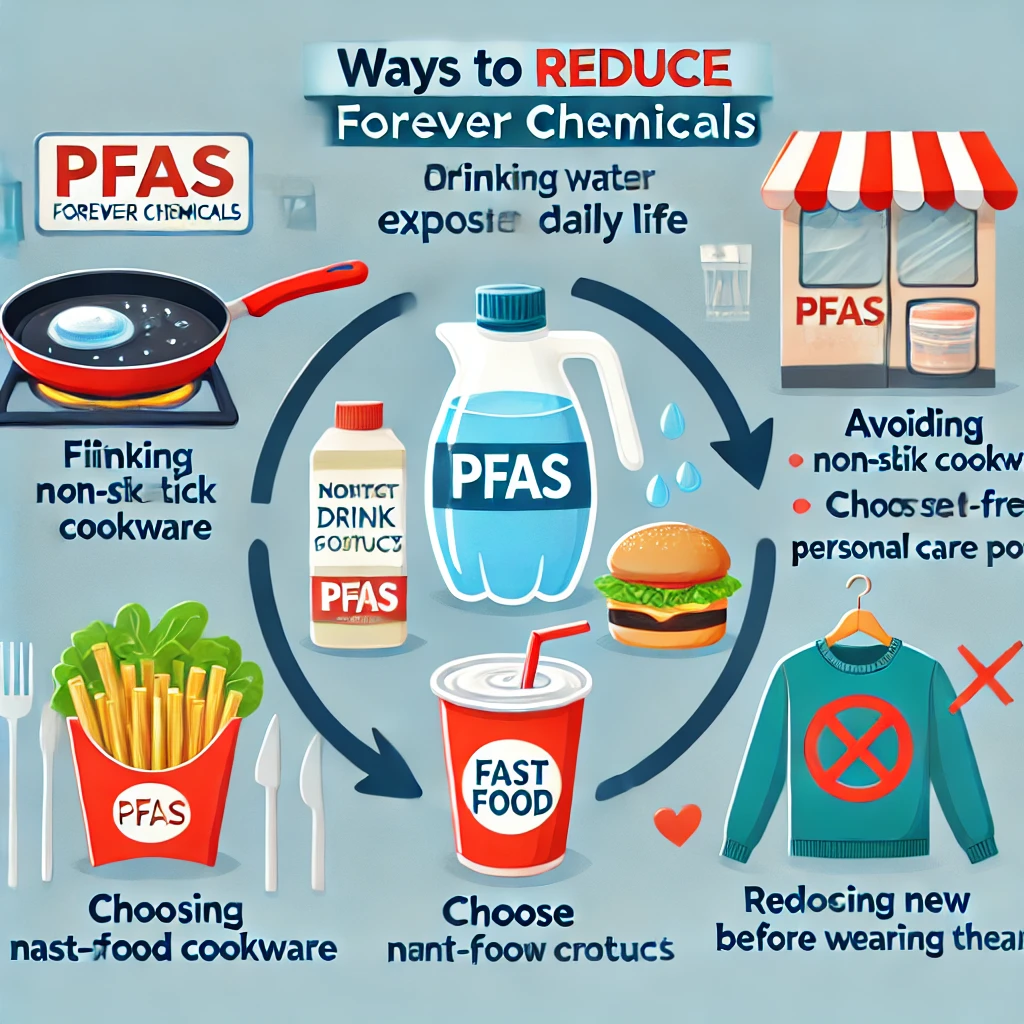
There are ways to minimize exposure! Filtering drinking water, avoiding non-stick cookware, and checking product labels for PFAS-free alternatives can help.
🔍 What Are 'Forever Chemicals' (PFAS)?
PFAS are synthetic compounds that resist heat, water, and oil, making them highly durable and useful in many industries. However, their resilience also means they persist in the environment and accumulate in human tissue.
1. How PFAS Affect Human Health
- Linked to kidney and testicular cancer, liver disease, and thyroid disorders
- Disrupt hormone function and may weaken the immune system
- Increase the risk of high cholesterol, obesity, and developmental issues in children
- Associated with fertility problems and pregnancy complications
🧪 PFAS Exposure Risk Self-Check
Answer these questions to assess your risk level and get personalized actions to protect yourself!
2. Global Health Concerns & Regulatory Action
- WHO and the EPA are pushing for stricter regulations on PFAS levels in water and consumer goods.
- The EU has banned certain PFAS chemicals, but many are still in use worldwide.
- Many studies call PFAS the next major public health crisis due to their widespread presence and toxic effects.
🌟 How to Reduce PFAS Exposure in Daily Life
Jake:
Alright, I want to cut down on PFAS exposure. What steps can I take?
Emma:
Here are some practical ways to protect yourself:
1️⃣ Filter your drinking water – Use activated carbon filters or reverse osmosis systems to remove PFAS. 2️⃣ Avoid non-stick cookware – Switch to stainless steel or cast iron pans. 3️⃣ Choose PFAS-free personal care products – Check labels for PFAS-free alternatives. 4️⃣ Minimize fast food packaging – Many wrappers contain PFAS coatings. 5️⃣ Wash new clothes before wearing them – To remove chemical residues.
Jake:
I had no idea PFAS were in so many things! Small changes really can make a big difference.
Emma:
Exactly! The more we demand safer products, the more companies will phase out these harmful chemicals.
🔥 Conclusion: Awareness Is Key
The widespread presence of PFAS in our daily lives makes them a silent but significant health threat. While complete avoidance is difficult, small lifestyle changes can significantly reduce exposure and push industries to adopt safer, non-toxic alternatives.
💬 What do you think about 'Forever Chemicals'? Have you taken steps to reduce exposure? Let’s discuss below!


