Are You Consuming Microplastics Without Knowing It?
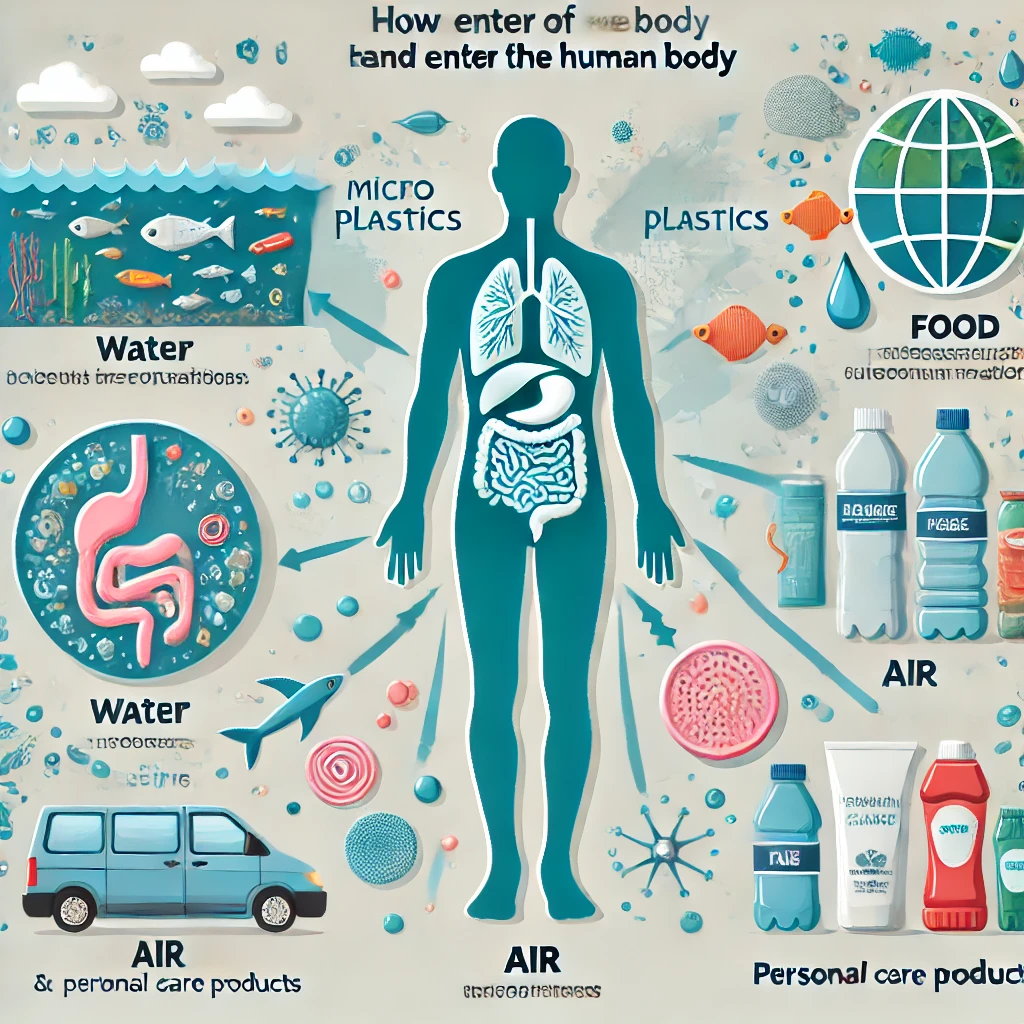
Every day, we breathe, drink, and eat microplastics—tiny plastic particles less than 5mm in size that have infiltrated our food, water, and air. Once thought to be harmless, new research suggests that microplastics may be accumulating in our bodies, potentially leading to severe health consequences. But how do they get inside us, and what can we do about it? Let’s explore this urgent health issue!
💬 A Conversation on Microplastics and Health
Emma:
Jake, did you know that the average person consumes about a credit card’s worth of plastic every week?
Jake:
What?! That sounds ridiculous. How is that even possible?
Emma:
Microplastics are literally everywhere—in the water we drink, the food we eat, and even the air we breathe. Studies have found them in bottled water, seafood, table salt, and even fruits and vegetables.
Jake:
That’s insane! I thought plastic pollution was only an environmental problem. How does this affect our health?
Emma:
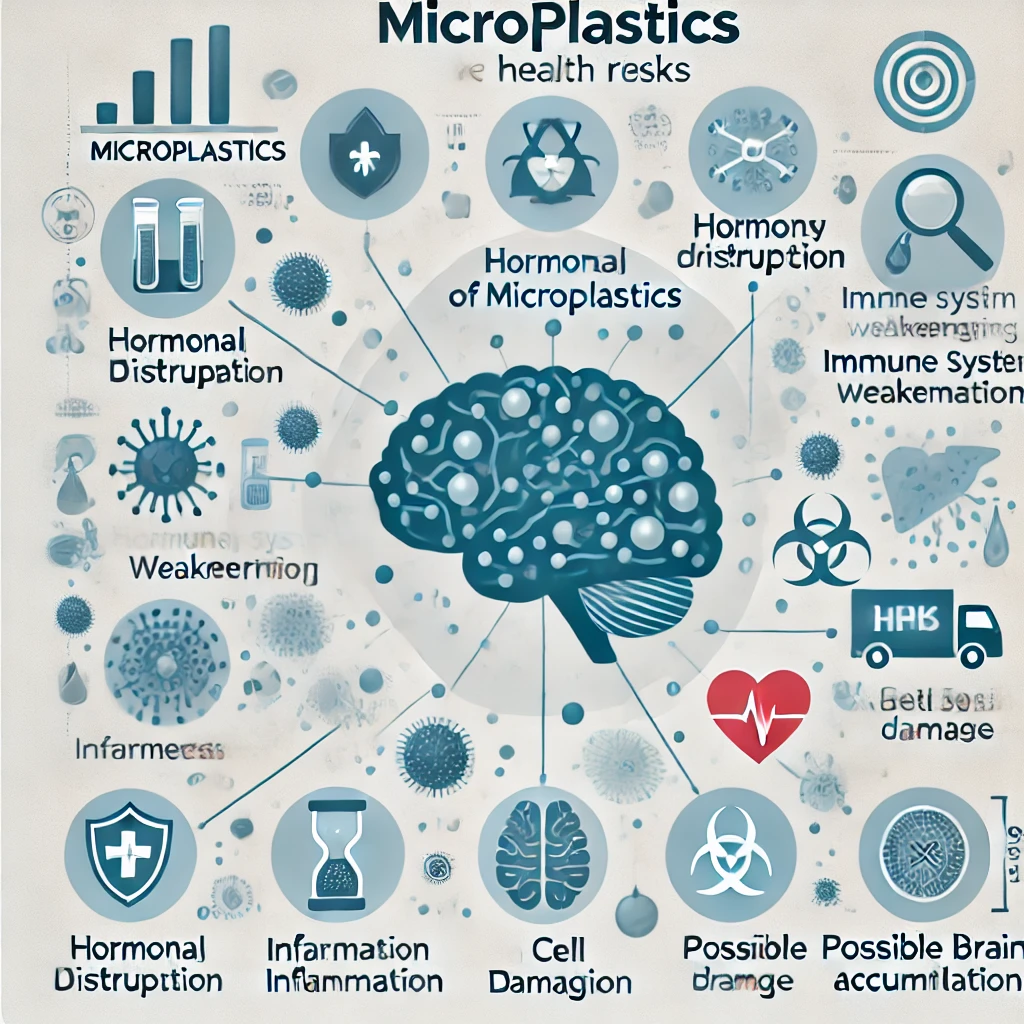
That’s the scary part. Scientists are still studying it, but microplastics have been found in human blood, lungs, and even the placenta. They may disrupt hormones, weaken the immune system, and increase the risk of chronic diseases.
Jake:
Wait—does that mean we’re all slowly being poisoned by plastic?
Emma:
It’s possible. And the worst part? There’s no way to completely avoid them, but there are ways to reduce exposure.
🧪 Microplastics Exposure Risk Quiz
Answer the following questions to find out your risk level and get personalized actions!
🔬 How Microplastics Enter the Human Body
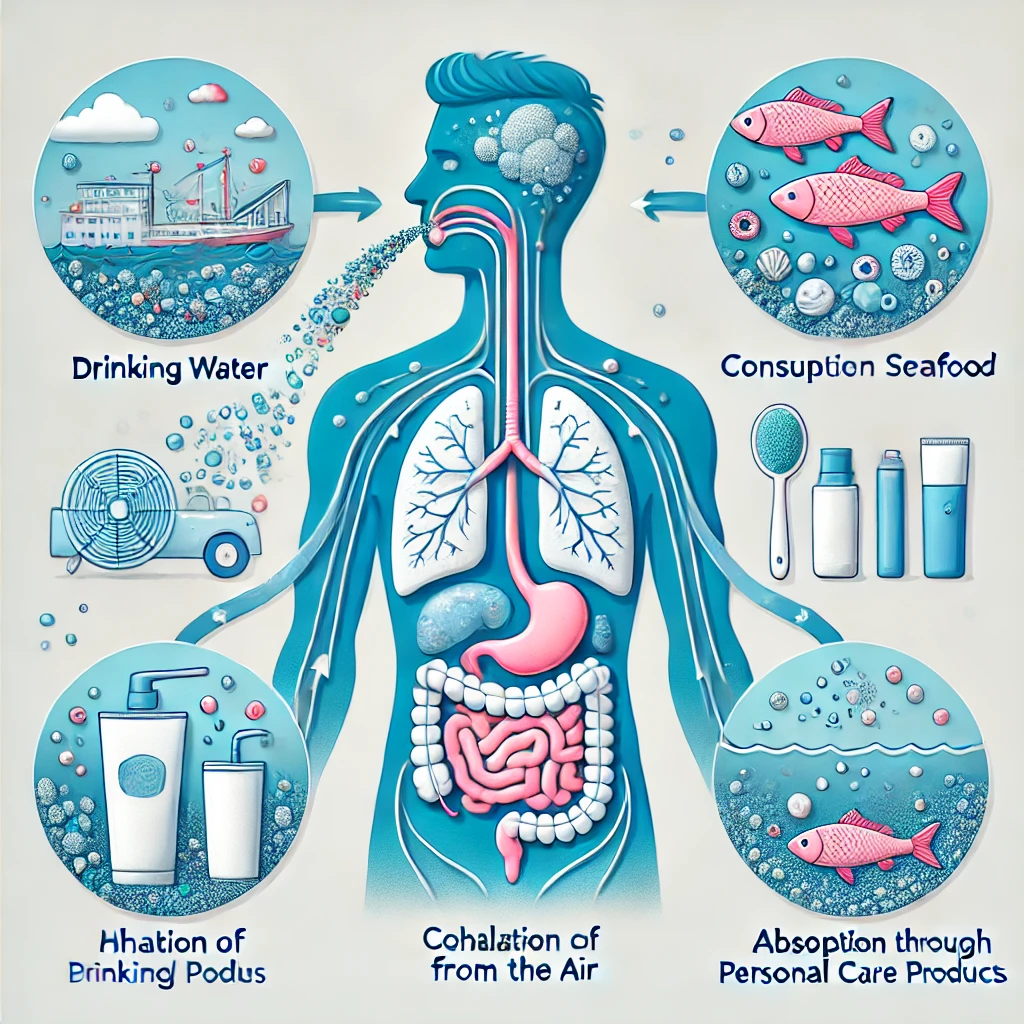
Microplastics come from broken-down plastic waste, industrial processes, and synthetic clothing fibers. They enter our bodies in multiple ways:
1️⃣ Drinking water – Found in both bottled and tap water worldwide 2️⃣ Food sources – Seafood, salt, packaged food, and even fresh produce 3️⃣ Air pollution – We inhale plastic particles from synthetic fabrics, car tires, and industrial emissions 4️⃣ Personal care products – Some cosmetics, toothpaste, and scrubs contain microplastics
🔍 The Potential Health Risks of Microplastics
While the long-term effects of microplastics on human health are still being studied, scientists have raised serious concerns:
- Hormonal Disruption – Microplastics can carry toxic chemicals like BPA and phthalates, which interfere with hormone function.
- Inflammation & Cell Damage – Studies suggest that plastic particles may cause inflammation and oxidative stress, leading to chronic diseases like cancer.
- Immune System Weakening – Plastic exposure might reduce our body’s ability to fight infections.
- Brain & Organ Accumulation – Emerging evidence suggests that microplastics may cross the blood-brain barrier, potentially affecting cognitive function.
🌟 How to Reduce Microplastic Exposure
Jake:
Okay, I’m officially freaked out. How can we avoid microplastics?
Emma:
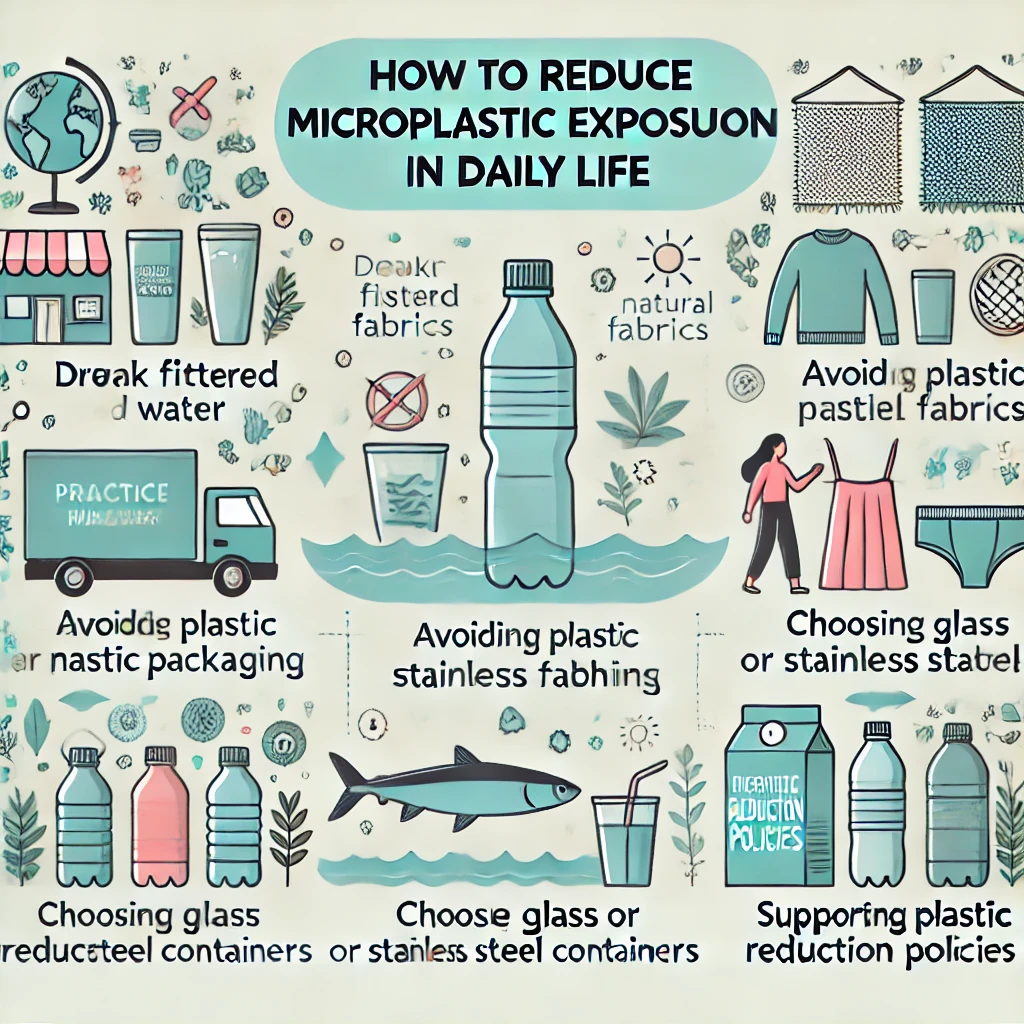
We can’t eliminate them completely, but we can reduce exposure with these steps:
1️⃣ Drink filtered water – Avoid bottled water and use a high-quality water filter. 2️⃣ Limit plastic packaging – Choose fresh produce over packaged food. 3️⃣ Wear natural fabrics – Synthetic clothes shed plastic fibers, so opt for cotton, wool, or linen. 4️⃣ Use glass or stainless steel containers – Avoid heating food in plastic containers. 5️⃣ Support bans on microplastics – Regulations can help reduce plastic pollution at the source.
Jake:
These sound like manageable changes! But what about the plastic already in the environment?
Emma:
That’s why we need policy changes and better recycling systems. The good news is that awareness is growing, and governments are starting to take action.
🔥 Conclusion: A Silent but Serious Health Threat
Microplastics are not just an environmental issue—they are a growing health crisis. While more research is needed, the evidence so far suggests we should take them seriously. By making small lifestyle changes and advocating for stricter regulations, we can reduce exposure and protect our health.
💬 Have you taken steps to reduce plastic exposure in your daily life? Let’s discuss below!


