
Introduction
Emma and Jake are at a grocery store, picking out fresh produce. As Jake reaches for a plastic-wrapped fruit, Emma stops him.
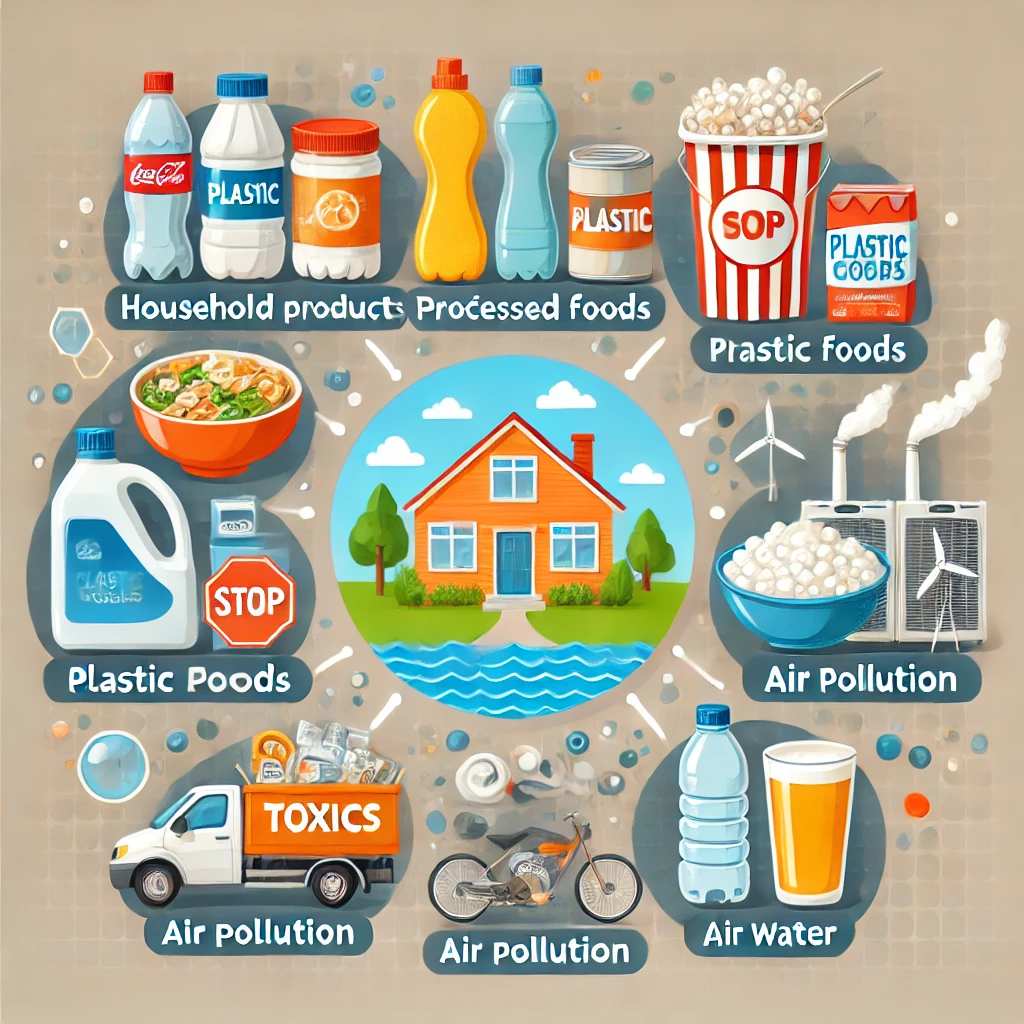
1️⃣ Are Environmental Toxins Really a Problem?
Jake: Emma, why are you avoiding plastic-wrapped produce? It’s just packaging.
Emma: Jake, do you know that many plastics contain endocrine-disrupting chemicals (EDCs) like BPA and phthalates? These chemicals can seep into food and affect our hormones.
Jake: Wait, what? I thought regulations prevented that.
🔬 A 2023 study from The Journal of Environmental Science & Health found that 90% of people tested had detectable levels of microplastics and synthetic chemicals in their bloodstream. Long-term exposure was linked to hormonal imbalances, reduced fertility, and even metabolic disorders. (Source)
Emma: And that’s just one type of toxin. There are also pesticides, heavy metals, and air pollutants that we come into contact with daily.
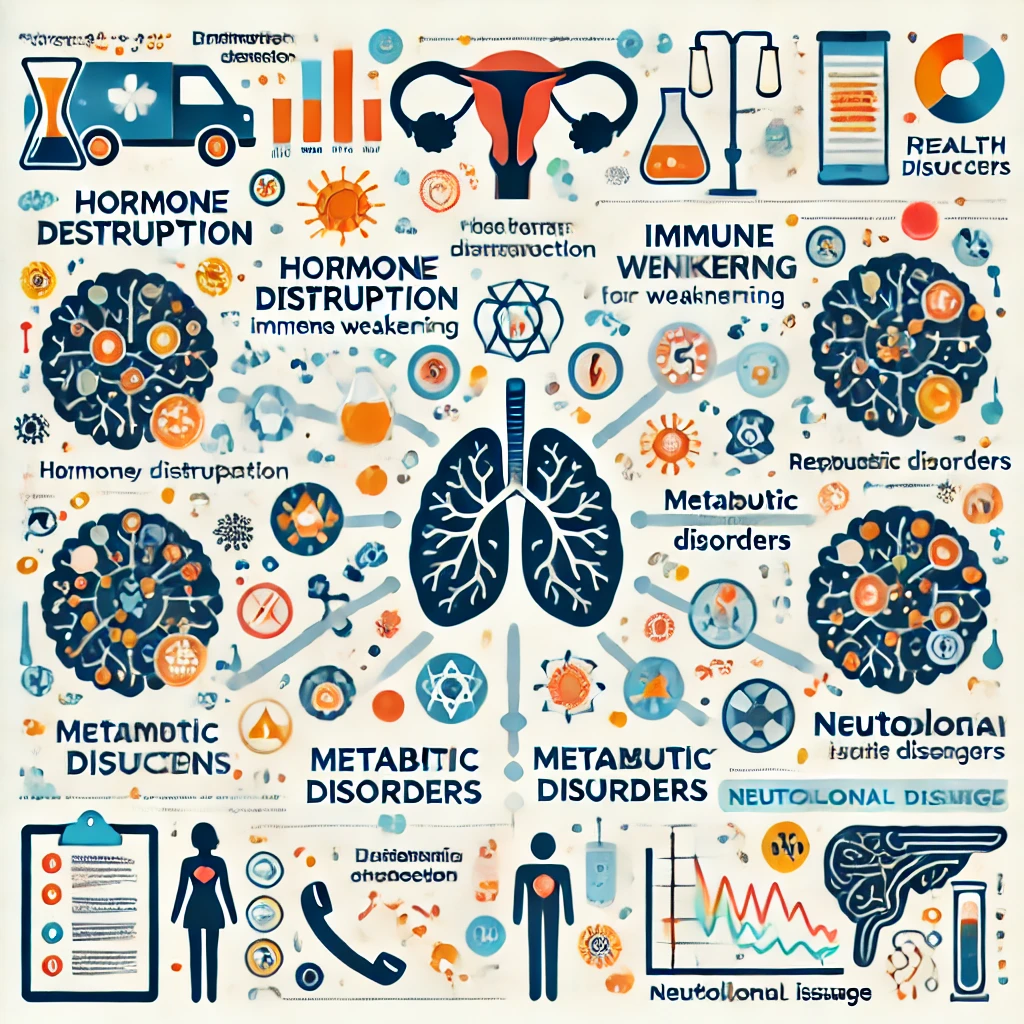
2️⃣ Common Environmental Toxins & Their Health Effects
Emma: Here are the biggest culprits and what they do to your body:
🔹 Bisphenol A (BPA) & Phthalates → Found in plastics, linked to hormone disruption and infertility. 🔹 Pesticides (Glyphosate) → Found in non-organic food, associated with gut microbiome damage and immune dysfunction. 🔹 Heavy Metals (Lead, Mercury, Arsenic) → Found in seafood, tap water, and some cosmetics, linked to brain fog, fatigue, and nerve damage. 🔹 Air Pollution (PM2.5, VOCs) → Found in cities, associated with lung disease, cardiovascular issues, and cognitive decline. 🔹 Processed Food Chemicals (Artificial Colors, Preservatives) → Found in snacks, linked to hyperactivity, inflammation, and metabolic disorders.
🔬 A 2022 report in The Lancet Planetary Health found that environmental pollution contributes to over 9 million premature deaths annually, more than war, smoking, and HIV/AIDS combined. (Source)
Jake: This is insane. How do I avoid all of this?
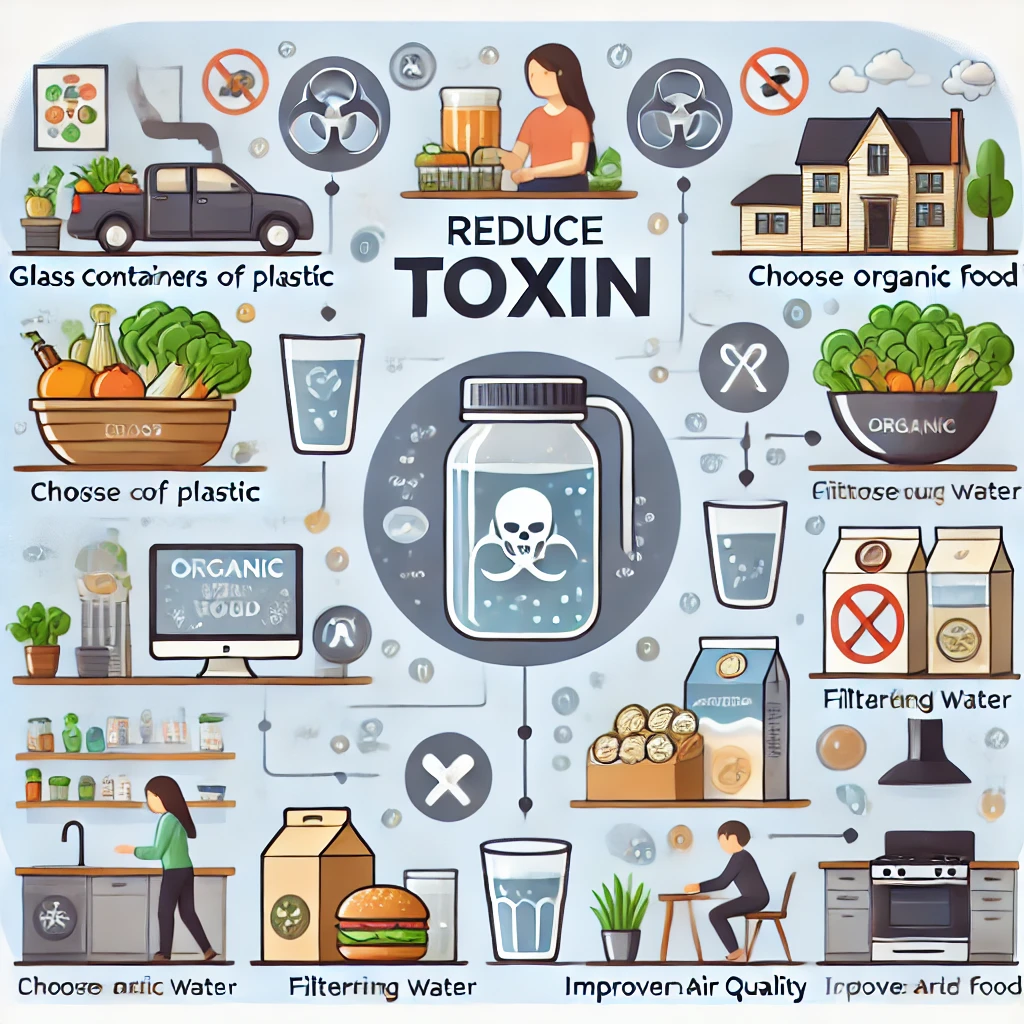
3️⃣ How to Reduce Your Exposure to Environmental Toxins
📌 1. Avoid Plastics & Choose Safer Food Packaging
Emma: Swap plastic for safer materials.
✅ Best choices:
- Use glass or stainless steel for food storage.
- Avoid canned food with BPA-lined packaging.
- Opt for fresh, unpackaged produce whenever possible.
🔬 A 2023 study from Environmental Health Perspectives found that individuals who reduced plastic use had 50% lower BPA levels in just 3 weeks. (Source)
📌 2. Choose Organic & Wash Your Produce
Emma: Organic food has fewer pesticide residues.
✅ Best habits:
- Prioritize organic for the “Dirty Dozen” (strawberries, spinach, apples, etc.).
- Wash fruits and vegetables thoroughly with baking soda & water.
🔬 A 2022 study in JAMA Network Open found that people who ate an organic-rich diet had 25% lower pesticide exposure and better gut microbiome balance. (Source)
📌 3. Filter Your Water to Remove Heavy Metals
Emma: Tap water often contains lead, chlorine, and microplastics.
✅ Best solutions:
- Use a high-quality water filter (reverse osmosis or activated carbon).
- Check your local water report for contaminants.
🔬 *A 2021 report by The Environmental Working Group (EWG) found that over 70% of U.S. tap water samples contained toxic chemicals, including PFAS (forever chemicals). (Source)
📌 4. Improve Indoor Air Quality
Emma: Indoor air is often more polluted than outdoor air!
✅ Easy fixes:
- Use HEPA air purifiers.
- Open windows daily for ventilation.
- Use natural cleaning products instead of chemical sprays.
🔬 A 2023 study in Nature Sustainability found that households using air purifiers reduced airborne toxins by 60%, improving lung function and sleep quality. (Source)
📌 5. Avoid Processed Foods & Artificial Additives
Emma: Many additives in processed foods disrupt metabolism.
✅ Best alternatives:
- Cook with whole, unprocessed ingredients.
- Avoid products with artificial colors, preservatives, and emulsifiers.
🔬 A 2023 study in Cell Metabolism found that individuals who reduced processed food intake had lower inflammation markers and improved metabolic health within 4 weeks. (Source)
🌎 Toxin Exposure Self-Check: 7 Questions
Find out how much daily toxins might be affecting you—and get a personalized plan!
Final Thoughts
Jake: Okay, I didn’t realize I was surrounded by so many toxins. I’ll start small—maybe switching to a water filter and avoiding plastic containers.
Emma: That’s a great start! Small changes lead to big results.
💬 How are you reducing toxin exposure in your life? Share your thoughts in the comments below!
'Environmental Health' 카테고리의 다른 글
| Mycotoxins in Food: Invisible Enemies or Overblown Hype? (0) | 2025.03.23 |
|---|---|
| 🌍 Microplastics and Human Health: The Hidden Crisis (0) | 2025.03.17 |
| ☣️ The Hidden Health Dangers of 'Forever Chemicals' (PFAS) (0) | 2025.03.16 |
| 🌍 The Global Health Crisis: How Climate Change is Affecting Our Well-being (0) | 2025.03.16 |
| ♻️ Microplastic Contamination: Are We Eating & Breathing Plastic? (0) | 2025.03.11 |


