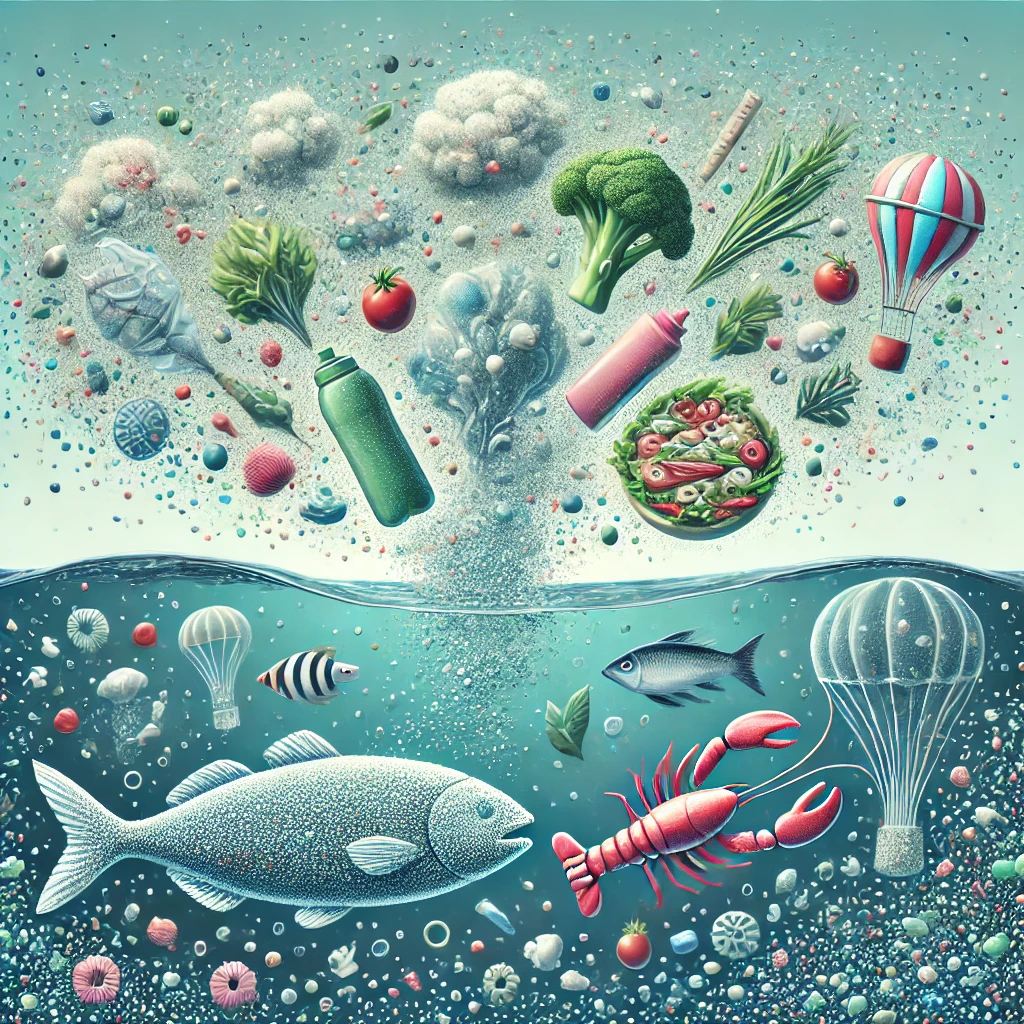
Introduction
Emma and Jake are sitting at a café, sipping on their drinks. Jake looks at his bottled water and frowns.
Jake: Emma, I just read an article saying that even bottled water contains microplastics. Are we really drinking plastic?
Emma: Unfortunately, yes. Recent studies show that microplastics are everywhere – in our food, water, air, and even human blood.
🔬 A 2023 study in Environmental Science & Technology found that an average person consumes over 50,000 microplastic particles per year just through food and water. (Source)
Jake: That’s insane! What exactly are microplastics, and how do they get into our bodies?
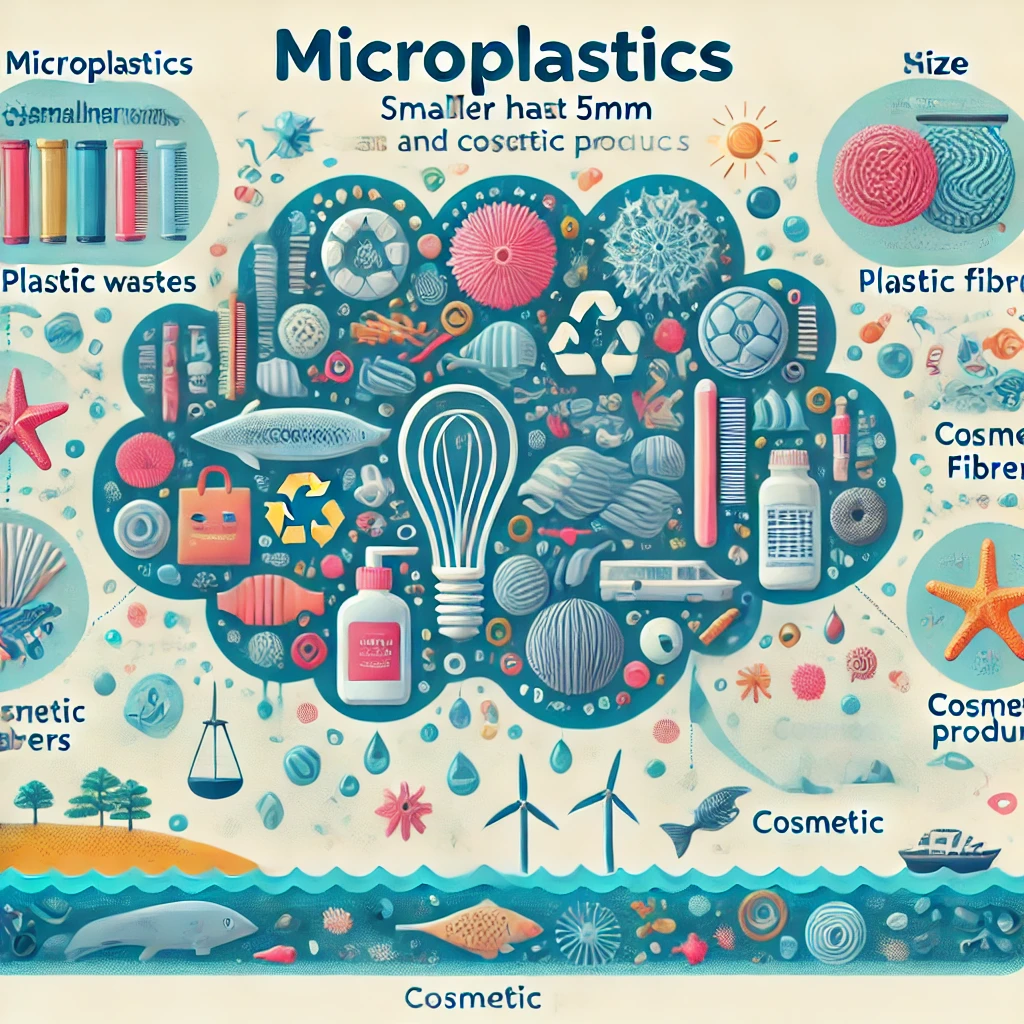
1️⃣ What Are Microplastics?
Emma: Microplastics are tiny plastic particles smaller than 5mm. They come from broken-down plastic waste, synthetic fibers, and even personal care products like face scrubs.
Jake: So basically, all the plastic waste we throw away eventually breaks down into these tiny pieces?
Emma: Exactly. They enter the environment through industrial pollution, improper waste disposal, and plastic degradation. Once in the environment, they end up in our food and water supply.
🔬 A 2022 study found that microplastics have been detected in 90% of bottled water samples and even in deep-sea fish. (Source)
Jake: So if it’s in water, does that mean even tap water has microplastics?
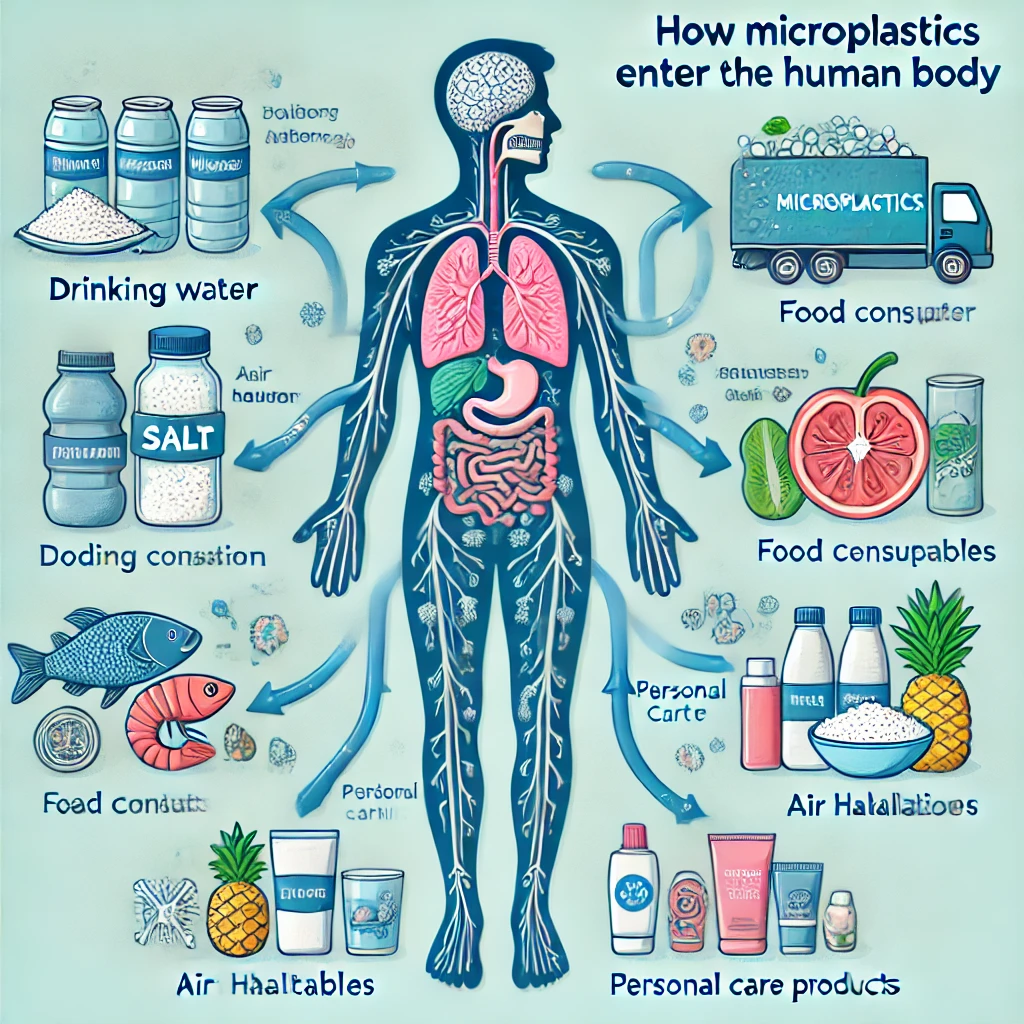
2️⃣ How Do Microplastics Enter Our Bodies?
Emma: Yes! Here are the main ways microplastics enter our bodies:
🔹 Drinking water – Found in both bottled and tap water
🔹 Food consumption – Present in seafood, salt, fruits, and vegetables
🔹 Air inhalation – Microplastics are airborne and settle on surfaces, including our food
🔹 Personal care products – Found in toothpaste, face scrubs, and synthetic fibers from clothes
🔬 A 2023 study in The Lancet Planetary Health found that inhaling microplastics may cause lung inflammation and oxidative stress, increasing respiratory diseases. (Source)
Jake: That’s terrifying! But is this actually dangerous for our health?
🌍 Microplastic Exposure Self-Check
Answer honestly and find out your current microplastic risk level!
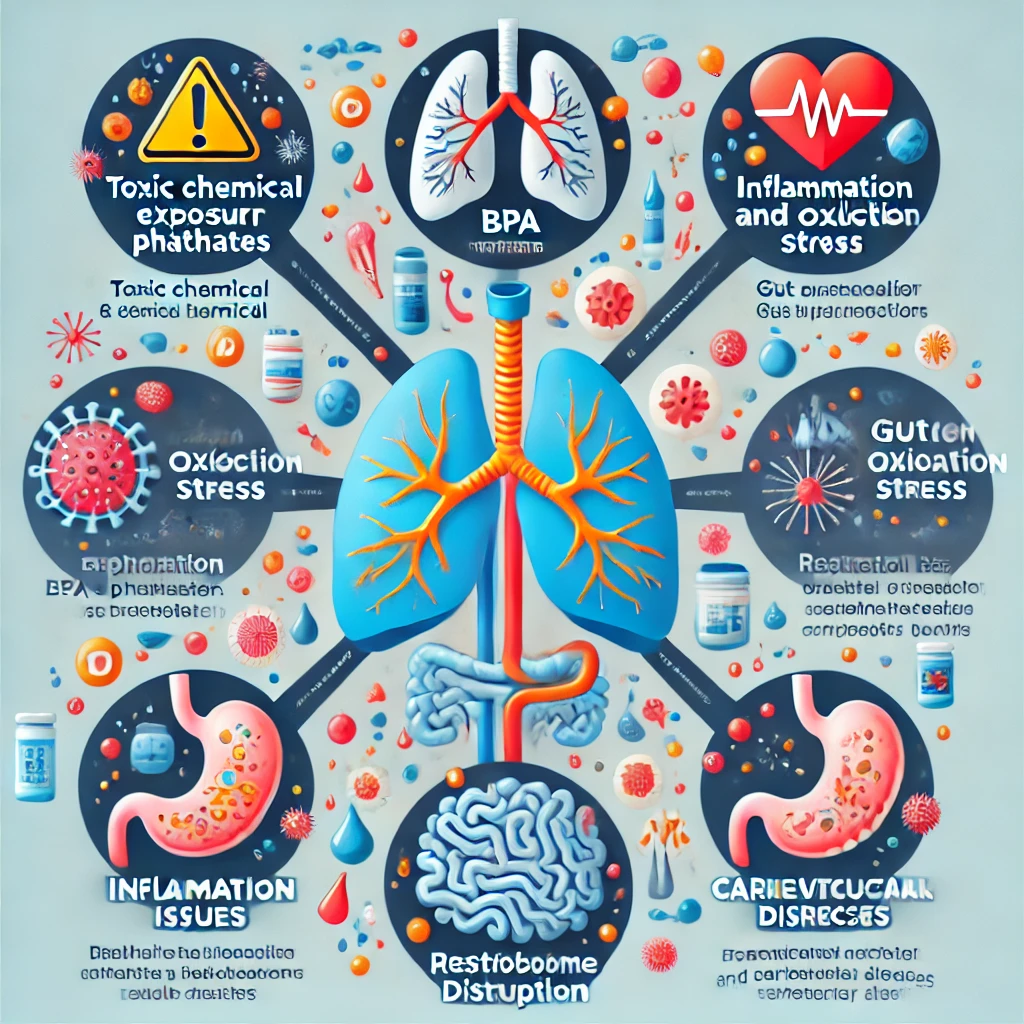
3️⃣ Health Risks of Microplastics
Emma: Scientists are still studying this, but here are the potential health risks:
🚨 Toxic chemical exposure – Microplastics contain harmful chemicals like BPA and phthalates that disrupt hormones
🚨 Inflammation & oxidative stress – Can cause chronic inflammation and increase the risk of diseases like cancer
🚨 Gut microbiome imbalance – Microplastics can disrupt gut bacteria, affecting digestion and immune function
🚨 Respiratory issues – Inhaled microplastics may cause lung damage and breathing problems
🔬 A 2023 study in Nature Medicine suggested that microplastics found in human blood may lead to cardiovascular diseases. (Source)
Jake: So we’re literally breathing, eating, and drinking plastic. How do we avoid this?
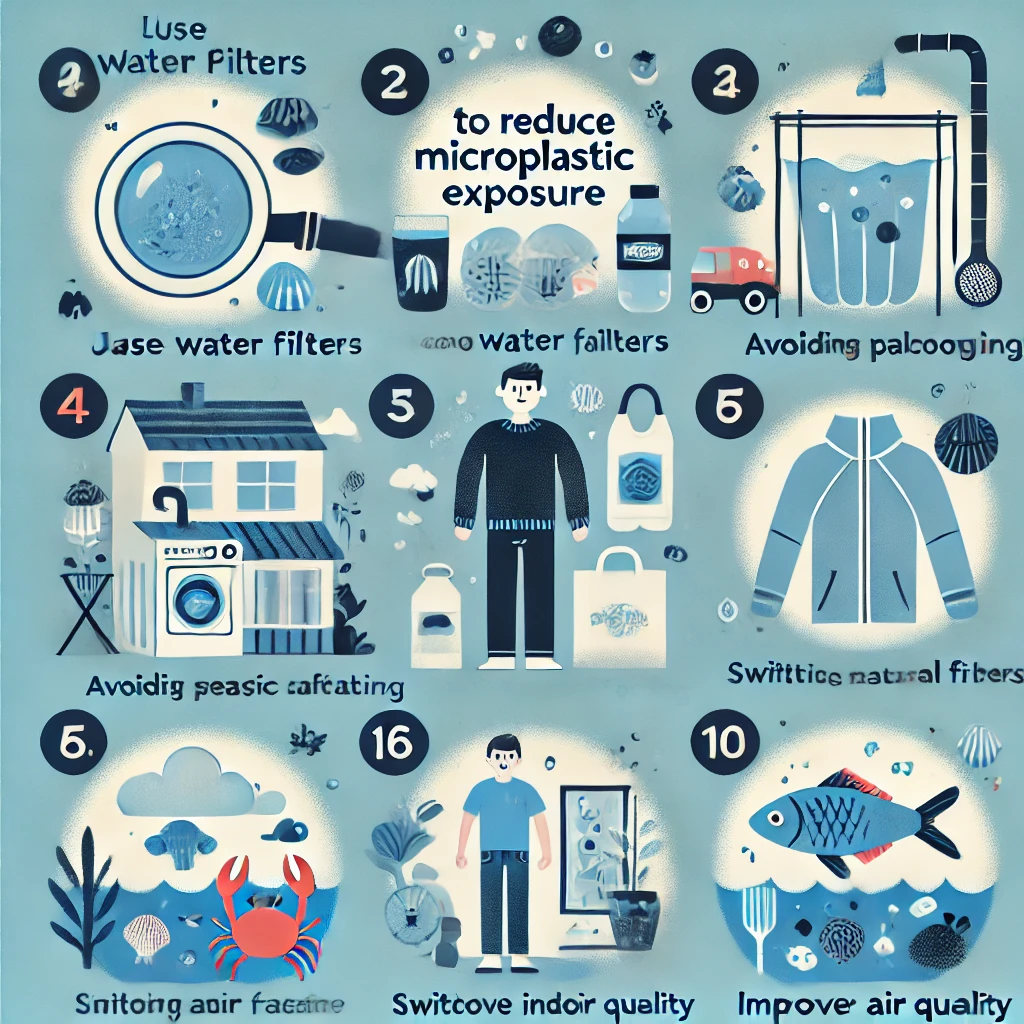
4️⃣ How to Reduce Microplastic Exposure
✅ Use a high-quality water filter – Removes microplastics from tap water
✅ Avoid plastic packaging – Use glass or stainless steel containers for food storage
✅ Limit seafood consumption – Especially filter feeders like shellfish, which accumulate microplastics
✅ Switch to natural fibers – Wear clothes made from cotton, wool, or linen instead of synthetic fabrics
✅ Ventilate indoor spaces – Reduce airborne microplastic inhalation by keeping indoor air fresh
🔬 A 2023 study in Science Advances found that using a reverse osmosis water filter can reduce microplastics in drinking water by up to 90%. (Source)
Jake: I guess small changes can help reduce our exposure. But what about stopping the problem at its source?
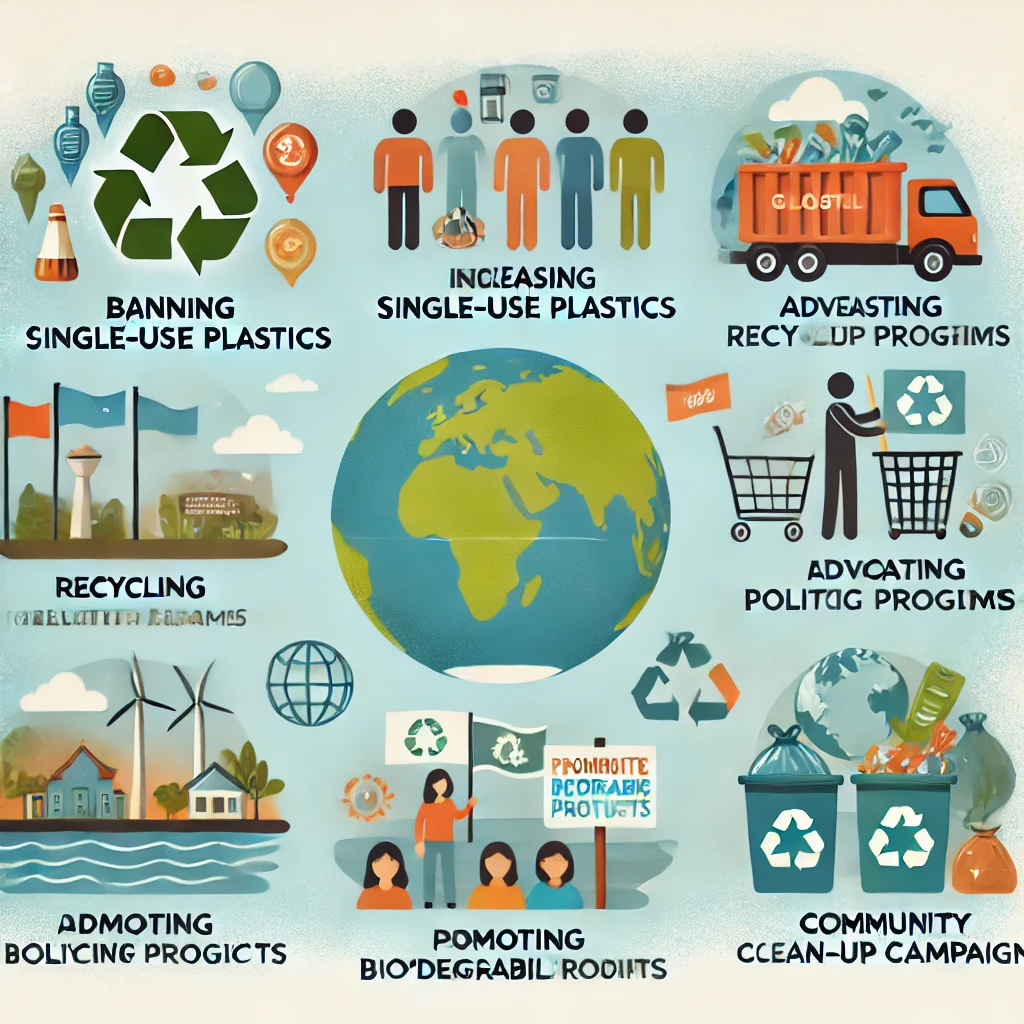
5️⃣ How Can We Stop Microplastic Pollution?
🌍 Support plastic bans – Many countries are banning single-use plastics
🌍 Recycle properly – Ensure plastics are properly sorted and recycled
🌍 Push for policy changes – Advocate for stricter plastic production regulations
🌍 Choose biodegradable products – Support brands that use eco-friendly materials
🌍 Participate in clean-up efforts – Join community clean-ups to remove plastic waste
🔬 A 2024 study in PNAS found that banning single-use plastics in 10 major cities reduced plastic pollution in rivers by 40% in just one year. (Source)
Jake: That’s actually promising! So if we change our habits and push for policies, we can make a real impact.
Emma: Exactly! It’s not just about protecting ourselves but also future generations.
Final Thoughts
Jake: This was eye-opening! I had no idea microplastics were so widespread.
Emma: It’s scary, but we can make changes. Small steps lead to big impact!
💬 What do you think about microplastics? Have you taken steps to reduce your exposure? Let’s discuss in the comments!
'Environmental Health' 카테고리의 다른 글
| Mycotoxins in Food: Invisible Enemies or Overblown Hype? (0) | 2025.03.23 |
|---|---|
| 🌍 Microplastics and Human Health: The Hidden Crisis (0) | 2025.03.17 |
| ☣️ The Hidden Health Dangers of 'Forever Chemicals' (PFAS) (0) | 2025.03.16 |
| 🌍 The Global Health Crisis: How Climate Change is Affecting Our Well-being (0) | 2025.03.16 |
| 🌍 The Hidden Dangers of Environmental Toxins: How to Reduce Everyday Exposure (0) | 2025.03.10 |


